
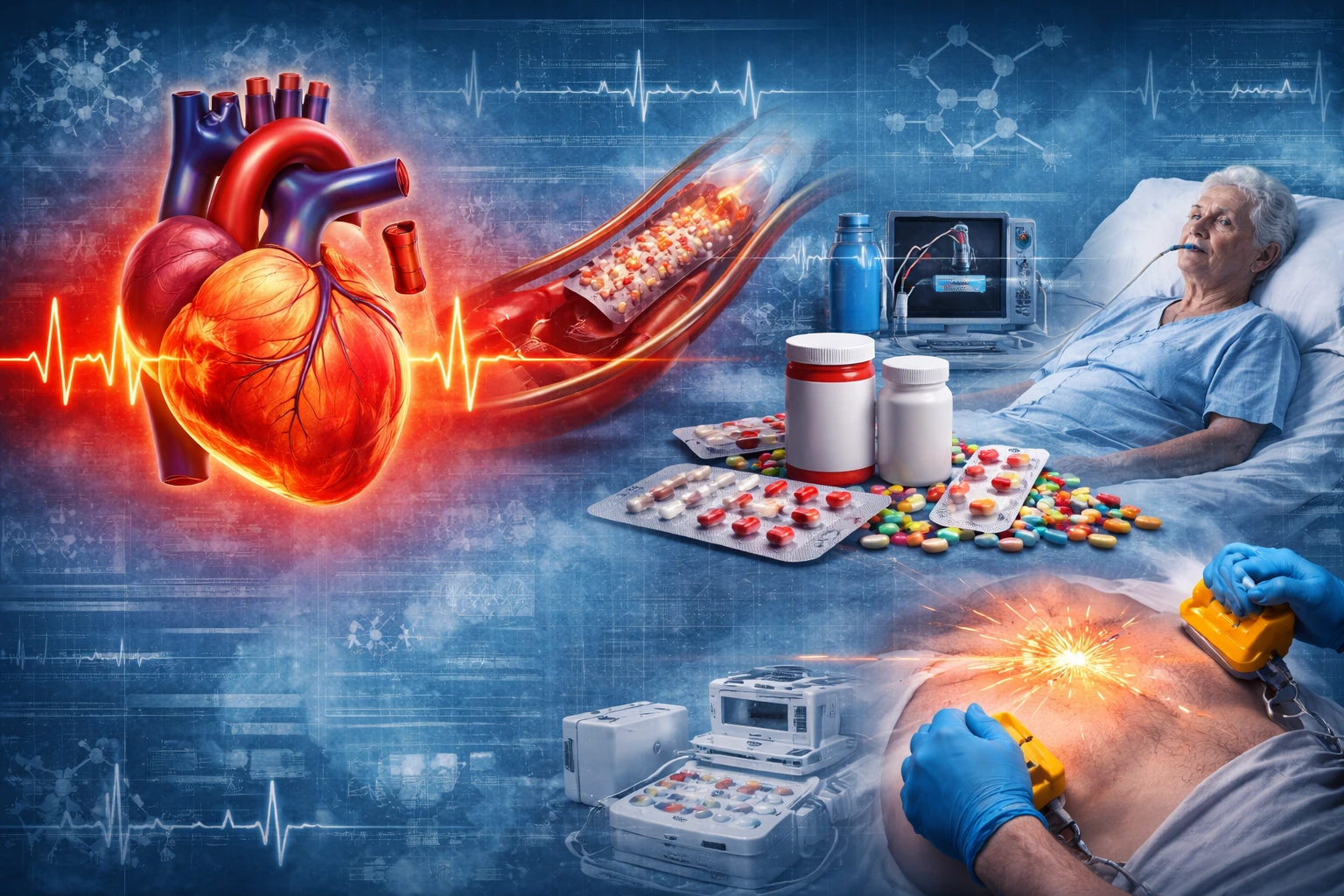
Cardiac Treatments

Cardiac Treatments: Advanced Care for Heart Conditions

Cardiac treatments involve a range of medical and interventional procedures designed to manage and treat heart-related conditions. These treatments aim to restore normal heart function, improve blood circulation, relieve symptoms, and prevent complications such as heart attacks, stroke, or heart failure.

Depending on the severity of the condition, cardiac treatments may include medications, minimally invasive procedures, or advanced surgical interventions.

Why are Cardiac Treatments Needed?

Cardiac treatments may be required if you are experiencing:

  • Chest pain or angina
  • Shortness of breath
  • Irregular heartbeat or palpitations
  • High blood pressure or uncontrolled cholesterol
  • History of heart attack
  • Blocked or narrowed arteries
  • Heart valve disorders
  • Congenital heart conditions

Early and appropriate treatment helps prevent serious complications and improves overall quality of life.

Types of Cardiac Treatments
  • Medication Management: Use of prescribed drugs to control blood pressure, cholesterol, heart rate, and prevent blood clots.
  • Lifestyle Modification: Dietary changes, regular exercise, stress management, and smoking cessation to support heart health.
  • Angioplasty and Stenting: Minimally invasive procedures to open blocked arteries and restore blood flow.
  • Coronary Artery Bypass Surgery (CABG): Surgical procedure to bypass blocked arteries using grafts for improved blood circulation.
  • Pacemaker Implantation: Device implantation to regulate abnormal heart rhythms.
  • Valve Repair or Replacement: Treatment for damaged or malfunctioning heart valves.
  • Heart Failure Management: Advanced therapies to improve heart pumping function and reduce symptoms.
Conditions Treated with Cardiac Treatments
  • Coronary Artery Disease: Narrowing or blockage of heart arteries.
  • Arrhythmias: Abnormal heart rhythms requiring medical or device-based treatment.
  • Heart Failure: Reduced efficiency of the heart’s pumping ability.
  • Hypertension: High blood pressure affecting heart function.
  • Valvular Heart Disease: Dysfunction of heart valves.
  • Cardiomyopathy: Diseases affecting the heart muscle.
What Happens During Cardiac Treatment?
  1. Diagnosis and Evaluation: Comprehensive assessment using ECG, ECHO, blood tests, and imaging.
  2. Treatment Planning: Personalized plan based on the condition and severity.
  3. Procedure or Medication: Implementation of appropriate treatment, including procedures if required.
  4. Monitoring and Follow-Up: Regular monitoring to assess recovery and effectiveness of treatment.
  5. Rehabilitation and Lifestyle Guidance: Support for long-term heart health and prevention of recurrence.
Benefits of Cardiac Treatments

Cardiac treatments help improve heart function, relieve symptoms such as chest pain and breathlessness, and reduce the risk of serious complications like heart attack and stroke. They enhance quality of life, increase survival rates, and support long-term cardiovascular health when combined with proper lifestyle management.

Why Choose Dr. Gnanadev N C for Cardiac Treatments?

Dr. Gnanadev N C provides comprehensive cardiac treatment using advanced medical technologies and evidence-based approaches. With extensive experience in managing a wide range of heart conditions, patients receive accurate diagnosis, personalized treatment plans, and continuous care. From preventive cardiology to complex cardiac procedures, the focus remains on delivering safe, effective, and compassionate care for optimal heart health.

Get in Touch for Expert Heart Care

Contact us for timely diagnosis, expert guidance, and compassionate heart care.