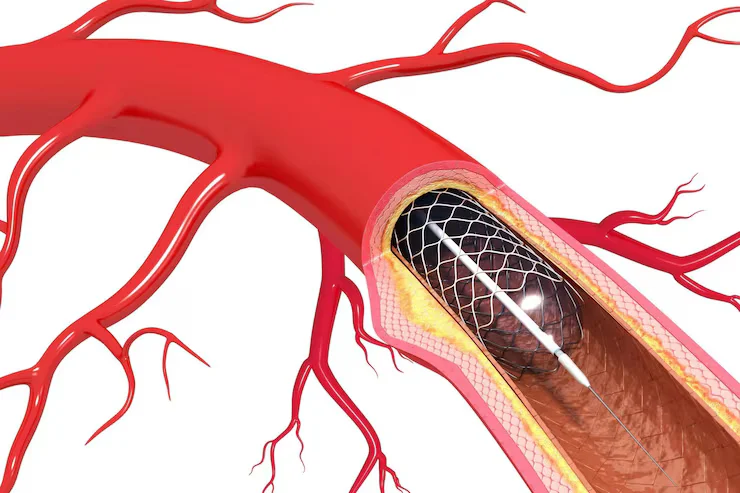
Peripheral Angiogram: Understanding the Procedure for Diagnosing Peripheral Artery Disease
A peripheral angiogram is a diagnostic imaging procedure used to visualize the blood vessels outside of the heart, primarily focusing on the arteries in the legs, arms, and other parts of the body. It is commonly used to diagnose peripheral artery disease (PAD), a condition in which the arteries become narrowed or blocked due to plaque buildup, reducing blood flow to the limbs.
During the procedure, a contrast dye is injected into the blood vessels through a catheter, and X-ray imaging (angiography) is used to capture detailed pictures of the blood vessels, helping doctors assess the extent of blockages or narrowing.
Why is Peripheral Angiogram Important?
Peripheral angiograms are important because:
- Diagnosing Peripheral Artery Disease (PAD): It helps identify blockages or narrowing in the peripheral arteries, which can reduce blood flow to the limbs, causing pain, cramping, and other symptoms.
- Assessing Severity of Blockages: The procedure provides detailed images that allow doctors to assess the severity and location of the blockages, which helps guide treatment decisions.
- Guiding Treatment Plans: By identifying the exact location of the problem, peripheral angiograms help doctors choose the best treatment, whether it’s lifestyle changes, medication, angioplasty, or surgery.
- Preventing Complications: Timely diagnosis through angiography can help prevent severe complications like tissue damage, non-healing wounds, and even amputation, which can result from untreated PAD.
Indications for a Peripheral Angiogram
A peripheral angiogram may be recommended for patients who:
- Experience Leg Pain or Cramping: Particularly in the calf or thigh, especially when walking or exercising (intermittent claudication), which may suggest PAD.
- Have Non-Healing Wounds or Ulcers: Wounds on the feet or legs that do not heal may indicate poor circulation due to blocked arteries.
- Have a History of PAD or Cardiovascular Disease: Patients with a history of heart disease, diabetes, smoking, or hypertension may be at increased risk of peripheral artery disease.
- Show Signs of Poor Circulation: Cold or pale feet, weak pulses, or hair loss on the legs may be signs of reduced blood flow due to arterial blockages.
- Abnormal Doppler Ultrasound: If a Doppler ultrasound has indicated abnormal blood flow in the peripheral arteries, a peripheral angiogram may be used to confirm the diagnosis.
Symptoms Leading to a Peripheral Angiogram
Symptoms that may prompt a peripheral angiogram include:
- Leg Pain: Pain or cramping in the legs, particularly when walking or exercising, which improves with rest.
- Weak Pulse in the Legs or Feet: Diminished or absent pulses in the legs or feet due to poor circulation.
- Cold Feet or Legs: Feet or legs that feel cold to the touch, which may indicate reduced blood flow.
- Wounds That Won’t Heal: Non-healing sores, cuts, or ulcers on the feet or legs, particularly in diabetics, which can result from impaired blood circulation.
- Skin Changes: Color changes in the skin of the legs, such as a bluish or pale appearance, due to a lack of oxygenated blood.
How is a Peripheral Angiogram Performed?
The procedure for a peripheral angiogram involves the following steps:
- Preparation: The patient is typically asked to fast for several hours before the procedure. A mild sedative and local anesthesia are administered at the insertion site (usually the groin or wrist).
- Catheter Insertion: A small catheter is inserted into a blood vessel and guided to the area being examined, typically through the femoral artery (in the groin) or radial artery (in the wrist).
- Injection of Contrast Dye: A contrast dye is injected through the catheter into the arteries of the legs, arms, or other peripheral vessels. The dye allows for clear visualization of the blood vessels on X-ray images.
- Imaging: X-ray images (angiograms) are taken to capture detailed pictures of the blood vessels and identify any blockages or narrowing.
- Post-Procedure Care: Once the images are captured, the catheter is removed, and pressure is applied to the insertion site to prevent bleeding. The patient is then monitored for a short period before being discharged.
Risks and Complications of Peripheral Angiogram
While peripheral angiography is generally a safe procedure, it does carry some potential risks, including:
- Bleeding or Hematoma: There is a risk of bleeding or bruising at the catheter insertion site.
- Infection: Any invasive procedure carries a risk of infection at the catheter insertion site.
- Allergic Reaction: Some patients may have an allergic reaction to the contrast dye used in the procedure.
- Kidney Damage: The contrast dye can sometimes cause kidney damage, particularly in patients with pre-existing kidney disease.
- Artery Damage: Rarely, the catheter or contrast dye can damage the artery, leading to dissection or rupture.
- Blood Clots: Clots can form at the catheter insertion site or within the arteries being examined.
Post-Procedure Care for Peripheral Angiogram
After the procedure, patients typically require some post-procedure care:
- Monitoring: The insertion site is closely monitored for bleeding or signs of infection, and patients are often kept under observation for a few hours after the procedure.
- Medications: Blood thinners like aspirin or clopidogrel may be prescribed to prevent clot formation.
- Rest and Limited Activity: Patients are generally advised to avoid strenuous activity for a short period to allow the insertion site to heal.
- Follow-up Appointments: Regular follow-up visits are necessary to monitor blood flow and evaluate the need for further treatment, such as angioplasty or stenting.
Treatment Options After a Peripheral Angiogram
Based on the results of the peripheral angiogram, several treatment options may be recommended:
- Medications: Antiplatelet medications, statins, and blood pressure medications may be prescribed to manage risk factors and improve circulation.
- Angioplasty and Stenting: If blockages are found, angioplasty (balloon angioplasty) or stent placement may be recommended to open up the arteries and restore blood flow.
- Surgical Interventions: In severe cases, bypass surgery may be necessary to reroute blood around a blocked artery.
- Lifestyle Modifications: Adopting a healthy diet, quitting smoking, engaging in regular physical activity, and managing blood pressure and cholesterol levels can help improve circulation and prevent future blockages.
Preventing Peripheral Artery Disease and the Need for Future Angiography
To reduce the risk of developing PAD or requiring future angiograms:
- Control Risk Factors: Manage hypertension, diabetes, cholesterol, and other conditions that increase the risk of peripheral artery disease.
- Healthy Lifestyle: A diet rich in fruits, vegetables, and whole grains, along with regular exercise, can help improve circulation and prevent artery blockages.
- Smoking Cessation: Quitting smoking reduces the risk of plaque buildup in the arteries and improves overall vascular health.
- Regular Check-ups: Routine health check-ups, including monitoring cholesterol, blood pressure, and blood sugar, can help detect PAD early and prevent complications.
Why Choose Dr. Gnanadev N C for Peripheral Angiogram and Artery Disease Treatment?
Dr. Gnanadev N C specializes in the diagnosis and treatment of peripheral artery disease, offering advanced diagnostic procedures like peripheral angiograms to assess the condition of the arteries. Whether you need angioplasty, stenting, or surgical intervention, Dr. Gnanadev provides personalized care and effective treatment to improve circulation and overall vascular health. With expertise in managing PAD, you will receive expert, compassionate care every step of the way.