
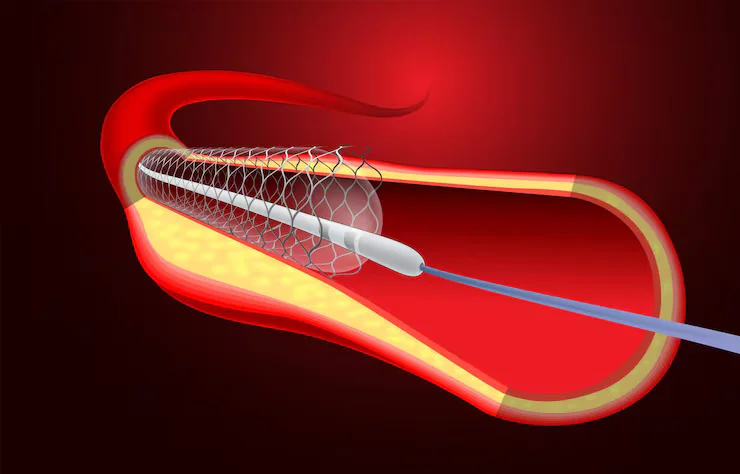
Coil Embolizations

Coil Embolization: Minimally Invasive Treatment to Control Abnormal Blood Flow

Coil embolization is a minimally invasive procedure used to block abnormal or unwanted blood flow in specific blood vessels. Tiny metal coils are placed inside the blood vessel to create a blockage, preventing blood from reaching areas such as aneurysms, bleeding sites, or abnormal vascular connections.

This technique is widely used to treat conditions like Aneurysm, internal bleeding, and vascular malformations without the need for open surgery.

Why is Coil Embolization Recommended?

Coil embolization may be recommended if you have:

  • Aneurysms at risk of rupture
  • Active internal bleeding
  • Arteriovenous malformations (AVMs)
  • Tumors requiring reduced blood supply
  • Gastrointestinal or pelvic bleeding
  • Trauma-related vascular injury
Conditions Treated with Coil Embolization
  • Aneurysms: Prevent rupture by blocking blood flow into the aneurysm sac
  • Arteriovenous Malformations (AVMs): Abnormal connections between arteries and veins
  • Internal Bleeding: Control bleeding in organs such as the liver, spleen, or gastrointestinal tract
  • Varicocele or Pelvic Congestion Syndrome: Treat abnormal vein enlargement
  • Tumor Embolization: Reduce blood supply to tumors before surgery
Types of Embolization Techniques
  • Coil Embolization: Uses small metallic coils to block blood flow
  • Liquid Embolization: Uses special glue-like substances to seal vessels
  • Particle Embolization: Uses tiny particles to block smaller blood vessels
  • Plug Devices: Larger devices used for blocking major vessels
What Happens During the Procedure?
  1. Preparation: The procedure is performed under local anesthesia with sedation
  2. Catheter Insertion: A catheter is inserted through a small incision, usually in the groin
  3. Imaging Guidance: Contrast dye and imaging techniques help locate the abnormal vessel
  4. Coil Placement: Tiny coils are delivered through the catheter into the targeted vessel
  5. Blockage Formation: The coils induce clot formation, blocking blood flow
  6. Completion: The catheter is removed, and the site is secured

The procedure typically takes 1–2 hours, depending on the complexity.

Benefits of Coil Embolization
  • Minimally invasive procedure with no major surgery
  • Effective control of bleeding and abnormal blood flow
  • Short hospital stay and faster recovery
  • Reduced risk compared to open surgical procedures
  • Targeted treatment with high precision
Risks and Considerations
  • Bleeding or bruising at the catheter insertion site
  • Non-target embolization (rare)
  • Infection or allergic reaction to contrast dye
  • Recurrence of abnormal blood flow in some cases
  • Need for follow-up imaging and monitoring
Recovery After Coil Embolization
  • Most patients recover quickly and resume normal activities within a few days
  • Mild discomfort or soreness at the insertion site may occur
  • Follow-up imaging may be required to ensure successful treatment
  • Medications may be prescribed based on the treated condition
  • Lifestyle modifications may be recommended depending on the underlying disease
Why Choose Dr. Gnanadev N C for Coil Embolization?

Dr. Gnanadev N C provides advanced expertise in performing coil embolization procedures using cutting-edge imaging and minimally invasive techniques. With extensive experience in managing vascular conditions, he ensures accurate diagnosis, precise treatment, and comprehensive follow-up care.

Patients benefit from targeted therapy, faster recovery, and improved outcomes, ensuring better vascular health and overall well-being.

Get in Touch for Expert Heart Care

Contact us for timely diagnosis, expert guidance, and compassionate heart care.