
Strain Imaging

Strain Imaging: Advanced Cardiac Function Assessment

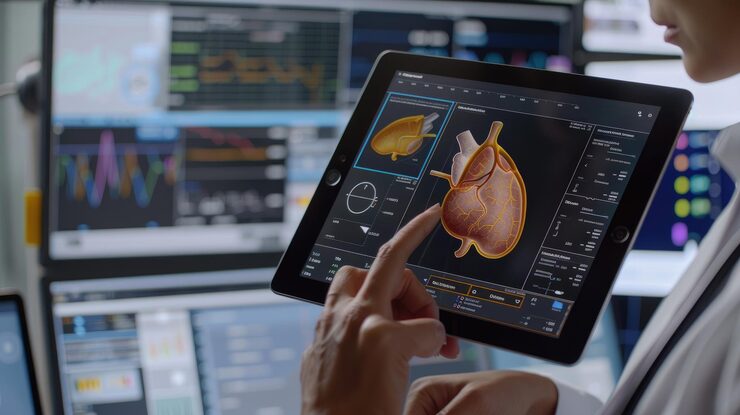
Strain imaging is an advanced technique used in echocardiography to assess the mechanical function of the heart muscle. It evaluates the deformation (strain) of the heart muscle during the cardiac cycle. Strain imaging provides more detailed information about heart function compared to traditional methods, helping to detect early signs of heart disease before symptoms become apparent.

This test is particularly valuable in diagnosing conditions such as heart failure, myocarditis, and ischemia, as it can detect subtle changes in heart muscle performance that may not be visible through other imaging methods.

Why is Strain Imaging Recommended?

Strain imaging may be recommended if you have:

  • Symptoms of heart failure (e.g., fatigue, shortness of breath, fluid retention)
  • History of heart disease, heart attack, or coronary artery disease
  • Suspected myocarditis or inflammation of the heart muscle
  • Detection of early signs of heart dysfunction before visible damage occurs
  • Monitoring the effectiveness of heart treatments, including medications or surgeries
  • Abnormal results from standard echocardiograms or other heart tests
Conditions Diagnosed with Strain Imaging
  • Heart Failure: Strain imaging can detect early signs of heart failure by evaluating changes in the heart muscle’s ability to contract and relax.
  • Myocardial Ischemia: It helps identify areas of the heart muscle that are not receiving enough blood flow, indicating a risk of heart attack.
  • Myocarditis: Strain imaging can reveal the subtle effects of heart muscle inflammation caused by infection or autoimmune disease.
  • Cardiotoxicity: It is useful for detecting heart damage caused by chemotherapy or other medications that can affect heart function.
  • Valvular Heart Disease: Strain imaging can assess the effect of valve issues (e.g., regurgitation or stenosis) on the heart muscle’s performance.
What Happens During the Procedure?
  1. Preparation: You will be asked to lie on an examination table while electrodes are placed on your chest to monitor your heart’s electrical activity.
  2. Echocardiogram Imaging: A gel is applied to your chest, and a transducer (ultrasound probe) is moved over the skin to capture detailed images of your heart’s structure.
  3. Strain Imaging: The ultrasound images are processed to measure the strain (deformation) of the heart muscle during the heartbeat. These measurements help assess the heart’s performance in greater detail.
  4. Monitoring: Your heart rate, blood pressure, and ECG will be monitored throughout the procedure.
  5. Duration and Recovery: The test typically takes about 30 minutes, and there is no downtime afterward. You can resume normal activities immediately.
Benefits of Strain Imaging
  • Provides detailed analysis of heart muscle function
  • Early detection of heart dysfunction and damage
  • Helps monitor treatment effectiveness for heart diseases
  • Non-invasive and safe with no radiation exposure
  • Improved sensitivity for detecting heart abnormalities compared to traditional methods
  • Provides valuable insight into subclinical heart conditions that may not yet show symptoms
Why Choose Dr. Gnanadev N C for Strain Imaging?

Dr. Gnanadev N C offers advanced strain imaging technology to provide precise and accurate assessments of heart muscle function. With extensive experience in diagnosing and managing heart conditions, Dr. Gnanadev ensures a thorough review of your strain imaging results, offering personalized treatment plans. Whether for early detection or ongoing monitoring, patients receive expert care and attention for optimal heart health.

Get in Touch for Expert Heart Care

Contact us for timely diagnosis, expert guidance, and compassionate heart care.