Complex Coronary Angioplasty: Advanced Techniques for Treating Severe Coronary Artery Disease
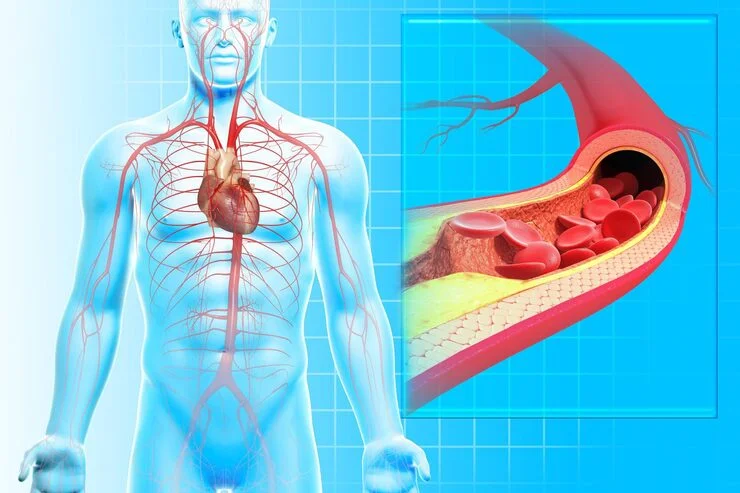
Complex coronary angioplasty is a specialized procedure used to treat patients with advanced or complicated cases of coronary artery disease (CAD). Unlike standard coronary angioplasty, complex angioplasty involves more challenging cases, such as those with multiple blockages, long lesions, bifurcation (branching) lesions, or heavily calcified arteries. This procedure may require advanced techniques, specialized tools, and expert skill to successfully open up blocked arteries and restore adequate blood flow to the heart.
Complex coronary angioplasty is typically performed when a patient has not responded to medication or other non-invasive treatments and is experiencing severe symptoms such as chest pain (angina) or shortness of breath. It is also used for patients with high-risk characteristics, including diabetes, heart failure, or extensive coronary artery blockages.
Why is Complex Coronary Angioplasty Important?
Complex coronary angioplasty is crucial for the following reasons:
- Restores Blood Flow: It opens blocked or narrowed coronary arteries, improving oxygen-rich blood flow to the heart muscle and reducing symptoms of heart disease.
- Prevents Heart Attacks: By addressing severe blockages or complex lesions, it helps prevent heart attacks and reduces the risk of sudden cardiac events.
- Improves Quality of Life: Complex coronary angioplasty provides relief from symptoms like chest pain, shortness of breath, and fatigue, allowing patients to return to normal activities.
- Enhances Long-Term Survival: When performed in high-risk patients, complex angioplasty can extend life expectancy by restoring heart function and preventing disease progression.
Indications for Complex Coronary Angioplasty
Complex coronary angioplasty may be recommended for patients with:
- Severe Coronary Artery Disease (CAD): Multiple blockages in the coronary arteries, particularly in major blood vessels.
- Left Main Stem Disease: A blockage in the left main coronary artery, which supplies blood to a significant portion of the heart. This is a high-risk area requiring specialized techniques.
- Long Lesions: Blockages that span a long length of the coronary artery, making them difficult to treat with standard angioplasty.
- Bifurcation Lesions: Blockages that occur at the point where a coronary artery branches, which requires advanced techniques to ensure both branches are treated without causing further damage.
- Heavily Calcified Arteries: Hardening of the arteries due to calcium buildup, which can make it challenging to insert stents or balloons into the arteries.
- Diabetes or Other Comorbidities: Patients with diabetes, kidney disease, or other health issues may require complex angioplasty due to the increased risk of complications.
How is Complex Coronary Angioplasty Performed?
The procedure for complex coronary angioplasty involves the following steps:
- Preparation: The patient is typically asked to fast before the procedure. Local anesthesia is administered at the site of catheter insertion (typically in the groin or wrist), and a mild sedative may be given.
- Catheter Insertion: A thin, flexible tube (catheter) is inserted into the artery and guided to the coronary arteries using X-ray imaging (fluoroscopy).
- Angiography: A contrast dye is injected through the catheter into the coronary arteries to create detailed X-ray images, helping the cardiologist locate blockages or narrowed areas.
- Balloon Angioplasty: A balloon at the tip of the catheter is inflated at the site of the blockage to widen the artery. This step may require more advanced balloon devices, especially in cases of heavily calcified arteries or long lesions.
- Stent Placement: A stent (a small mesh tube) is typically placed to keep the artery open. For complex cases, specialized stents, such as drug-eluting stents, may be used to prevent re-narrowing.
- Advanced Techniques:
- Rotational Atherectomy: A technique used to remove calcified plaque by rotating a small, diamond-coated burr at high speed.
- Directional Atherectomy: A method to remove plaque by shaving it off the arterial walls.
- Bifurcation Stenting: Special techniques, such as double stenting or kissing balloon techniques, are used to treat blockages at the branch points of arteries.
- Laser Angioplasty: In some cases, lasers may be used to break up plaque or open blocked arteries.
- Post-Procedure Monitoring: After the procedure, the catheter is removed, and the insertion site is closely monitored for any complications, such as bleeding or infection. The patient is typically observed in the hospital for a few hours to ensure no immediate issues arise.
Risks and Complications of Complex Coronary Angioplasty
While coronary angioplasty is generally safe, complex procedures carry additional risks, including:
- Bleeding: At the catheter insertion site or internally, especially if blood-thinning medications are used.
- Blood Clots: Clots can form inside the coronary artery or stent, increasing the risk of a heart attack or stroke.
- Heart Attack: Although rare, the procedure can trigger a heart attack if a blood clot forms or if the artery is injured.
- Arrhythmias: Abnormal heart rhythms, particularly during or after the procedure, may require medical intervention.
- Artery Dissection: A tear in the artery wall that can occur during catheter insertion or balloon inflation.
- Infection: Any invasive procedure carries a risk of infection, particularly at the catheter insertion site.
- Kidney Damage: The contrast dye used during angioplasty can sometimes affect kidney function, especially in patients with pre-existing kidney conditions.
Post-Procedure Care for Complex Coronary Angioplasty
After a complex coronary angioplasty, patients will typically undergo the following:
- Medications: Antiplatelet medications like aspirin and clopidogrel are prescribed to prevent blood clots and ensure the stent remains open.
- Lifestyle Modifications: Adopting a heart-healthy diet, exercising regularly, and avoiding smoking are essential for preventing further arterial blockages.
- Regular Monitoring: Follow-up appointments with a cardiologist are crucial for monitoring heart function, managing risk factors, and adjusting medications as needed.
- Physical Activity: Gradual resumption of physical activity is encouraged, with guidance from a healthcare provider on safe levels of exertion.
- Wound Care: The insertion site is monitored for signs of bleeding or infection, and instructions for care will be provided to promote healing.
Preventing Coronary Artery Disease and the Need for Future Angioplasty
- Control Risk Factors: Managing high blood pressure, diabetes, cholesterol, and obesity can significantly reduce the risk of further coronary artery damage.
- Adopt a Healthy Lifestyle: A diet rich in fruits, vegetables, whole grains, and lean proteins, along with regular physical activity, helps maintain heart health and prevent further blockages.
- Medications: Statins, blood pressure medications, and antiplatelet drugs may be prescribed to reduce the risk of future blockages.
- Regular Health Check-ups: Routine monitoring of heart health, cholesterol, and blood pressure can help detect problems early and prevent further complications.
Why Choose Dr. Gnanadev N C for Complex Coronary Angioplasty?
Dr. Gnanadev N C specializes in complex coronary angioplasty, providing personalized care and utilizing the latest techniques to treat even the most challenging cases of coronary artery disease. With expertise in advanced procedures such as rotational atherectomy, bifurcation stenting, and laser angioplasty, Dr. Gnanadev ensures that each patient receives the most effective treatment. Whether you are experiencing symptoms of coronary artery disease or need intervention for severe blockages, you can rely on expert, compassionate care every step of the way.