
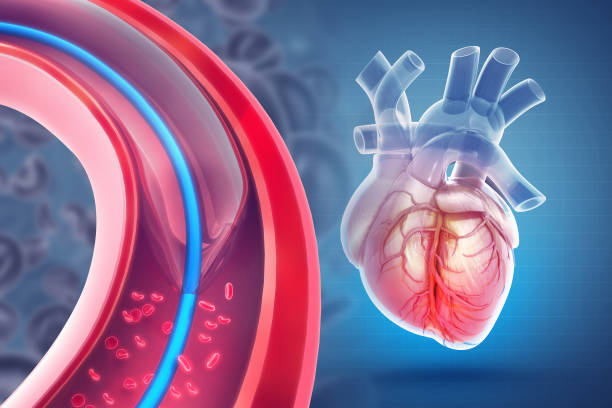
Peripheral Vascular Interventions

Peripheral Vascular Interventions: Advanced Minimally Invasive Treatment for Blood Vessel Disorders

Peripheral Vascular Interventions are minimally invasive procedures used to diagnose and treat diseases affecting blood vessels outside the heart, particularly in the legs, arms, and abdomen. These conditions often result from narrowed or blocked arteries, reducing blood flow and leading to pain, ulcers, or serious complications.

Using catheter-based techniques, these interventions restore proper blood circulation, relieve symptoms, and prevent progression of vascular diseases without the need for open surgery.

Why are Peripheral Vascular Interventions Recommended?

These procedures may be recommended if you have:

  • Peripheral Artery Disease (PAD) causing reduced blood flow
  • Leg pain while walking (claudication)
  • Non-healing wounds or ulcers on the legs or feet
  • Critical limb ischemia with severe pain at rest
  • Blocked or narrowed arteries due to plaque buildup
  • Poor circulation associated with diabetes or smoking
Conditions Treated with Peripheral Vascular Interventions
  • Peripheral Artery Disease (PAD): Narrowing of arteries supplying blood to the limbs
  • Critical Limb Ischemia: Severe blockage leading to pain, ulcers, or tissue damage
  • Renal Artery Stenosis: Narrowing of arteries supplying the kidneys
  • Carotid Artery Disease: Blockage in neck arteries increasing stroke risk
  • Venous Disorders: Including deep vein blockages or chronic venous insufficiency
Types of Peripheral Vascular Procedures
  • Angioplasty: Balloon dilation to open narrowed arteries
  • Stenting: Placement of a stent to keep the artery open
  • Atherectomy: Removal of plaque from blood vessels
  • Thrombolysis: Dissolution of blood clots using medication
  • Embolization: Blocking abnormal blood vessels when required
What Happens During the Procedure?
  1. Preparation: Performed under local anesthesia with sedation
  2. Catheter Insertion: A catheter is inserted through a small incision, usually in the groin
  3. Imaging Guidance: Contrast dye and imaging techniques help locate the blockage
  4. Treatment: Procedures like angioplasty, stenting, or clot removal are performed
  5. Completion: The catheter is removed, and the incision is closed

Most procedures take 1–2 hours, and patients can often return home within a day.

Benefits of Peripheral Vascular Interventions
  • Minimally invasive treatment with small incisions
  • Faster recovery and shorter hospital stay
  • Reduced pain and improved mobility
  • Restoration of normal blood flow
  • Prevention of complications such as limb loss
Risks and Considerations
  • Bleeding or infection at the catheter insertion site
  • Re-narrowing of the artery (restenosis)
  • Blood clots or vessel injury
  • Allergic reaction to contrast dye
  • Need for repeat procedures in some cases
Recovery After Peripheral Vascular Interventions
  • Most patients recover quickly and resume normal activities within a few days
  • Medications such as blood thinners may be prescribed
  • Lifestyle changes like quitting smoking, regular exercise, and a healthy diet are essential
  • Regular follow-up visits and imaging may be required
Why Choose Dr. Gnanadev N C for Peripheral Vascular Interventions?

Dr. Gnanadev N C offers expert care in diagnosing and treating vascular conditions using advanced minimally invasive techniques. With extensive experience in peripheral vascular interventions, he ensures precise treatment, improved circulation, and long-term management of vascular diseases.

Patients receive personalized care, advanced technology-driven treatments, and comprehensive follow-up to achieve better outcomes and enhanced quality of life.

Get in Touch for Expert Heart Care

Contact us for timely diagnosis, expert guidance, and compassionate heart care.