
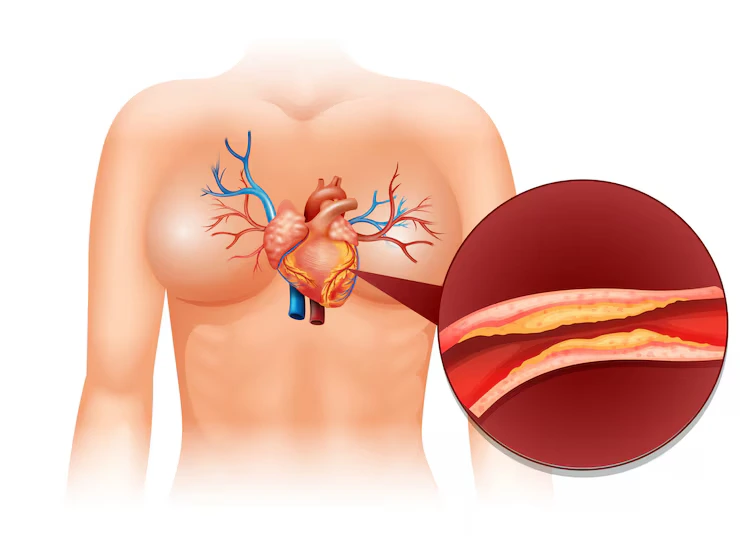
Heart Attack / Coronary Artery Disease

Heart Attack / Coronary Artery Disease: Understanding Blockages in the Heart

A heart attack, also known as a myocardial infarction, occurs when blood flow to part of the heart muscle is blocked for an extended period, causing damage to the heart tissue. Coronary artery disease (CAD) is the most common cause of heart attacks, where the coronary arteries that supply blood to the heart become narrowed or blocked due to plaque buildup (atherosclerosis).

Heart attacks can range from mild to life-threatening and require immediate medical attention to minimize damage to the heart and prevent further complications. Early diagnosis and treatment of CAD can help reduce the risk of heart attacks and improve outcomes.

Why is Heart Attack / Coronary Artery Disease Important?

Heart attacks and coronary artery disease are important to address because:

  • Heart Attack Risk: CAD is the leading cause of heart attacks, which can cause permanent damage to the heart muscle, impairing its ability to pump blood effectively.
  • Risk of Heart Failure: A severe heart attack can lead to heart failure, where the heart can no longer pump enough blood to meet the body’s needs.
  • Increased Risk of Stroke: Blood clots that form in the coronary arteries due to a heart attack can travel to the brain, leading to a stroke.
  • Reduced Quality of Life: CAD and heart attacks often lead to persistent chest pain, fatigue, and other symptoms that can significantly affect daily activities and overall well-being.
Causes and Risk Factors for Heart Attack / Coronary Artery Disease
  • Atherosclerosis: The buildup of plaque (cholesterol, fatty substances, and other materials) in the arteries narrows and hardens the coronary arteries, limiting blood flow to the heart.
  • High Blood Pressure: Elevated blood pressure can damage the arteries over time, contributing to plaque buildup and increasing the risk of CAD and heart attacks.
  • High Cholesterol: Excess cholesterol in the blood contributes to the formation of plaque in the arteries, increasing the risk of heart disease.
  • Smoking: Smoking damages the blood vessels and raises blood pressure, contributing to the development of CAD and increasing the likelihood of a heart attack.
  • Diabetes: High blood sugar levels damage the blood vessels and increase the risk of CAD.
  • Obesity: Being overweight or obese can lead to other risk factors such as high cholesterol, high blood pressure, and diabetes, all of which contribute to CAD.
  • Family History: A family history of heart disease increases the likelihood of developing CAD.
  • Age: The risk of heart disease increases with age, particularly after 45 for men and 55 for women.
  • Sedentary Lifestyle: Lack of physical activity can lead to obesity, high cholesterol, and high blood pressure, all of which increase the risk of CAD and heart attacks.
  • Chronic Stress: Persistent stress can lead to increased blood pressure and heart rate, contributing to the development of heart disease.
Symptoms of Heart Attack / Coronary Artery Disease
  • Chest Pain or Discomfort: The most common symptom, described as pressure, tightness, or a heavy feeling in the chest. The pain may radiate to the arms, back, neck, jaw, or stomach.
  • Shortness of Breath: Difficulty breathing or feeling winded, especially during physical activity or while resting.
  • Fatigue: Unusual tiredness or weakness, often preceding a heart attack or during the development of CAD.
  • Dizziness or Lightheadedness: Feeling faint or lightheaded, which may occur due to reduced blood flow to the brain.
  • Nausea or Vomiting: Some people may experience nausea or even vomit during a heart attack.
  • Cold Sweats: Profuse sweating, often associated with chest pain or discomfort.
  • Heart Palpitations: Irregular or rapid heartbeats, especially during physical exertion or stress.
Diagnosing Heart Attack / Coronary Artery Disease
  • Physical Examination: A healthcare provider will assess symptoms, listen for heart murmurs, and check for other signs of heart disease.
  • Electrocardiogram (ECG or EKG): This test records the heart’s electrical activity and can identify signs of a heart attack or arrhythmias (irregular heart rhythms).
  • Blood Tests: Elevated levels of cardiac enzymes, such as troponin, can indicate heart muscle damage caused by a heart attack.
  • Echocardiogram: An ultrasound test that evaluates the heart’s function and checks for damage to the heart muscle after a heart attack.
  • Coronary Angiography: A procedure that involves injecting a contrast dye into the coronary arteries to visualize blockages or narrowing using X-rays.
  • Stress Test: This test involves monitoring the heart’s response to physical activity or medication-induced stress to assess how well blood flows to the heart.
  • CT Angiography: A non-invasive imaging technique that provides detailed images of the coronary arteries to check for signs of CAD.
Treatment Options for Heart Attack / Coronary Artery Disease
  • Medications:
    • Aspirin: Used to thin the blood and reduce the risk of blood clots that could lead to a heart attack.
    • Antiplatelet Drugs: Medications like clopidogrel help prevent blood clots from forming in the arteries.
    • Statins: Lower cholesterol levels and prevent further plaque buildup in the arteries.
    • Beta-blockers: Help lower heart rate and blood pressure, reducing the strain on the heart.
    • ACE Inhibitors: Help relax blood vessels, reduce blood pressure, and prevent further damage to the heart.
    • Nitroglycerin: Relieves chest pain by relaxing the coronary arteries and improving blood flow to the heart.
  • Surgical Interventions:
    • Angioplasty: A minimally invasive procedure that uses a balloon to open up blocked arteries, often followed by stent placement to keep the artery open.
    • Coronary Artery Bypass Grafting (CABG): A surgical procedure where a healthy blood vessel from another part of the body is used to bypass blocked coronary arteries.
  • Lifestyle Changes:
    • Dietary Modifications: A heart-healthy diet, such as the DASH diet, to reduce cholesterol and maintain a healthy weight.
    • Exercise: Regular physical activity improves heart health and blood circulation.
    • Smoking Cessation: Quitting smoking significantly reduces the risk of heart disease and improves overall cardiovascular health.
    • Stress Management: Techniques such as meditation, yoga, and deep breathing can help reduce stress, which is beneficial for heart health.
Preventing Heart Attack / Coronary Artery Disease
  • Healthy Eating: Focus on a diet rich in fruits, vegetables, whole grains, lean proteins, and healthy fats while reducing saturated fats, salt, and sugars.
  • Regular Exercise: Engage in at least 150 minutes of moderate-intensity exercise per week to strengthen the heart and improve circulation.
  • Control Risk Factors: Keep blood pressure, cholesterol, and blood sugar levels in check to reduce the risk of CAD and heart attacks.
  • Quit Smoking: Smoking is one of the most significant modifiable risk factors for heart disease.
  • Monitor Heart Health: Regular check-ups and screenings for blood pressure, cholesterol, and heart function are essential for early detection and prevention.
Why Choose Dr. Gnanadev N C for Heart Attack / Coronary Artery Disease Treatment?

Dr. Gnanadev N C is a specialist in the diagnosis and treatment of heart disease, including heart attacks and coronary artery disease. With a comprehensive approach that includes lifestyle management, medications, and surgical interventions, Dr. Gnanadev provides personalized care to help prevent heart attacks, manage CAD, and improve long-term heart health. Whether for prevention, treatment, or rehabilitation, you will receive expert guidance and support for optimal cardiovascular care.

Get in Touch for Expert Heart Care

Contact us for timely diagnosis, expert guidance, and compassionate heart care.