High Cholesterol: Understanding the Risks of Elevated Cholesterol Levels
High cholesterol, also known as hyperlipidemia, is a condition where there is an excess of cholesterol in the blood. Cholesterol is a fatty substance found in every cell of the body, and while the body needs cholesterol to function properly, too much can lead to serious health problems. High cholesterol often doesn’t have noticeable symptoms, which is why it’s important to get regular check-ups.
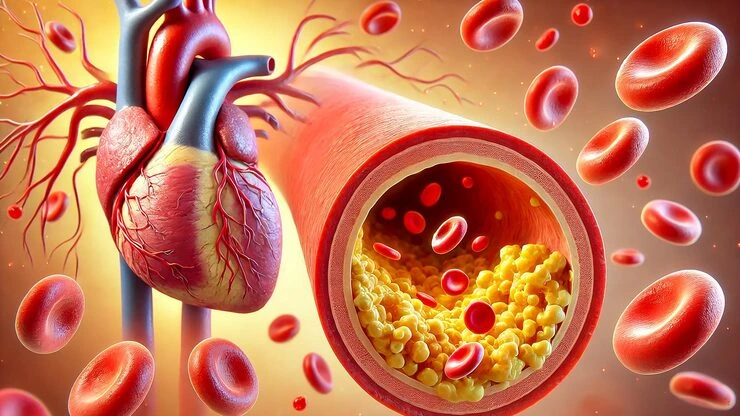
When cholesterol levels are too high, it can build up in the walls of arteries, forming plaque. This plaque narrows and hardens the arteries, a condition known as atherosclerosis, which increases the risk of heart disease, stroke, and other cardiovascular problems.
Why is High Cholesterol Important?
High cholesterol is important to address because:
- Increased Risk of Heart Disease: Elevated cholesterol levels are a leading cause of coronary artery disease, which can result in heart attacks and other serious heart problems.
- Stroke Risk: High cholesterol contributes to plaque buildup in the arteries, which can block blood flow to the brain, leading to a stroke.
- Atherosclerosis: Plaque buildup in the arteries can restrict blood flow and lead to damage in vital organs, increasing the risk of kidney disease, heart failure, and peripheral artery disease.
- Silent Killer: High cholesterol often has no noticeable symptoms, making it essential to regularly monitor cholesterol levels through blood tests.
Causes and Risk Factors for High Cholesterol
- Unhealthy Diet: Diets high in saturated fats, trans fats, and cholesterol can increase LDL (bad cholesterol) and lower HDL (good cholesterol).
- Obesity: Being overweight or obese can increase LDL cholesterol levels and lower HDL cholesterol levels.
- Lack of Physical Activity: A sedentary lifestyle contributes to weight gain and high cholesterol levels.
- Genetics: Family history can play a role in high cholesterol, particularly in familial hypercholesterolemia, a genetic condition that leads to extremely high cholesterol levels.
- Age: Cholesterol levels tend to rise as people age, especially after the age of 40.
- Other Health Conditions: Conditions like diabetes, hypothyroidism, kidney disease, and liver disease can lead to high cholesterol levels.
- Smoking: Smoking damages blood vessels and lowers good cholesterol (HDL), increasing the risk of atherosclerosis.
- Alcohol Consumption: Excessive alcohol intake can increase triglyceride levels and lower good cholesterol (HDL).
Symptoms of High Cholesterol
High cholesterol usually doesn’t cause any direct symptoms, which is why it is often referred to as a “silent condition.” However, over time, high cholesterol can lead to visible symptoms, such as:
- Xanthomas: Yellowish deposits of cholesterol that can form under the skin, often around the eyes or joints.
- Arcus Senilis: A gray or white ring around the cornea of the eye, commonly seen in older adults with high cholesterol.
- Chest Pain or Tightness: If cholesterol buildup causes coronary artery disease, it may lead to chest pain or angina.
Because there are no obvious symptoms, the only way to know if you have high cholesterol is through a lipid panel blood test.
Diagnosing High Cholesterol
- Lipid Panel (Blood Test): A lipid panel measures total cholesterol, LDL (bad cholesterol), HDL (good cholesterol), and triglycerides. A high LDL or low HDL is an indicator of high cholesterol.
- Total cholesterol should be less than 200 mg/dL.
- LDL should be less than 100 mg/dL for optimal health.
- HDL should be higher than 40 mg/dL for men and 50 mg/dL for women.
- Triglycerides should be less than 150 mg/dL.
- Physical Exam: A healthcare provider may check for physical signs of high cholesterol, such as xanthomas or arcus senilis.
- Other Tests: In some cases, additional tests such as an electrocardiogram (ECG), stress tests, or arterial imaging may be performed if cardiovascular problems are suspected.
Treatment Options for High Cholesterol
- Lifestyle Changes:
- Dietary Adjustments: A diet low in saturated fats, trans fats, and cholesterol, and rich in fiber, can help lower LDL cholesterol and increase HDL cholesterol. Include healthy fats from sources like olive oil, avocado, and nuts.
- Exercise: Regular physical activity can help raise HDL cholesterol and lower LDL cholesterol and triglycerides. Aim for at least 150 minutes of moderate exercise per week.
- Weight Loss: Losing weight, especially abdominal fat, can help improve cholesterol levels.
- Quitting Smoking: Smoking cessation can improve HDL cholesterol and reduce the risk of heart disease.
- Limiting Alcohol: Moderating alcohol intake can help control cholesterol and triglyceride levels.
- Medications:
- Statins: These medications help lower LDL cholesterol levels by blocking the liver’s ability to produce cholesterol.
- Bile Acid Sequestrants: These drugs help remove cholesterol from the digestive system, reducing blood cholesterol levels.
- Cholesterol Absorption Inhibitors: Medications that reduce the absorption of cholesterol from the food you eat.
- PCSK9 Inhibitors: A newer class of injectable medications that help lower LDL cholesterol levels significantly.
- Fibrates: Medications that lower triglyceride levels and can increase HDL cholesterol.
- Niacin: This B vitamin can raise HDL cholesterol and lower triglycerides when taken in large doses.
Preventing High Cholesterol
- Eat a Heart-Healthy Diet: Focus on eating a balanced diet that includes plenty of fruits, vegetables, whole grains, and lean proteins while reducing your intake of unhealthy fats and sugars.
- Stay Physically Active: Aim for regular exercise to maintain a healthy weight and improve cholesterol levels.
- Maintain a Healthy Weight: Losing excess weight can help improve your cholesterol levels and reduce your risk of other related conditions like diabetes.
- Regular Health Check-ups: Get regular screenings for cholesterol levels, especially if you have risk factors like a family history of high cholesterol or heart disease.
- Limit Alcohol and Quit Smoking: Avoid smoking and limit alcohol consumption to reduce your risk of high cholesterol and cardiovascular disease.
Why Choose Dr. Gnanadev N C for High Cholesterol Management?
Dr. Gnanadev N C specializes in the diagnosis and management of high cholesterol, offering personalized treatment plans that focus on lifestyle changes, medication, and ongoing monitoring. Whether you need help with diet modifications, exercise plans, or the right medications, Dr. Gnanadev provides expert care to help you lower your cholesterol and reduce the risk of cardiovascular complications. With regular check-ups and tailored support, you’ll receive comprehensive care for long-term heart health.