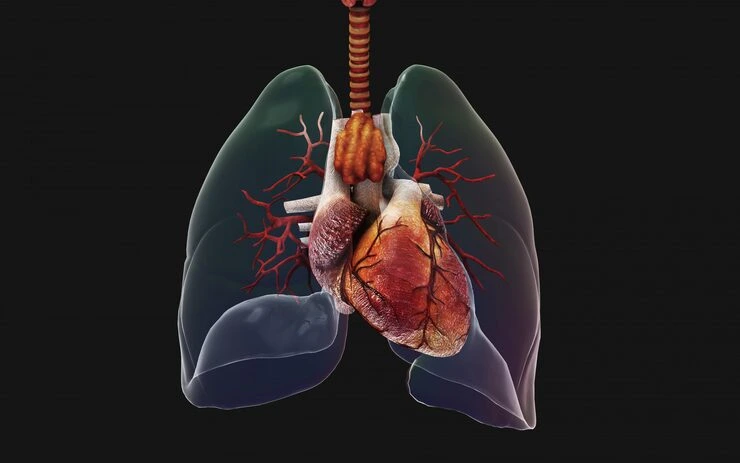
Pulmonary Embolism & Deep Vein Thrombosis (DVT): Understanding Blood Clots and Their Risks
Deep Vein Thrombosis (DVT) and Pulmonary Embolism (PE) are two conditions that are closely related and involve blood clots. DVT occurs when a blood clot forms in one of the deep veins of the body, typically in the legs. If a clot breaks free, it can travel to the lungs, causing a pulmonary embolism, a life-threatening condition that can block the flow of blood to the lungs.
Both conditions are serious and require prompt treatment to prevent complications, including organ damage, stroke, or death. Recognizing the symptoms and risk factors for DVT and PE is crucial for timely diagnosis and intervention.
Why are Pulmonary Embolism & DVT Important?
Pulmonary embolism and deep vein thrombosis are critical to recognize and manage because:
- Risk of Stroke and Organ Damage: Pulmonary embolism can block blood flow to the lungs, causing damage to lung tissue and affecting oxygenation of the blood, while DVT can lead to post-thrombotic syndrome and permanent damage to the affected limb.
- Life-threatening: Pulmonary embolism, in particular, can be fatal if the clot is large or if the person does not receive immediate medical treatment.
- Reduced Mobility: DVT often leads to swelling, pain, and complications that affect the mobility of the affected leg, which may worsen over time.
- Increased Risk of Recurrence: Both DVT and PE can recur, and repeated episodes increase the risk of chronic complications like pulmonary hypertension or chronic venous insufficiency.
Causes and Risk Factors for Pulmonary Embolism & DVT
- Immobility: Prolonged periods of immobility, such as during long flights, bed rest, or after surgery, increase the risk of DVT as blood flow slows down.
- Surgery or Trauma: Major surgeries, particularly orthopedic procedures, can increase the risk of DVT and PE due to prolonged immobility and injury to blood vessels.
- Heart Disease: Conditions such as atrial fibrillation or congestive heart failure increase the risk of clot formation.
- Obesity: Excess weight increases pressure on the veins, particularly in the legs, which can lead to blood clots.
- Pregnancy: Hormonal changes during pregnancy increase the risk of blood clots, and the pressure of the growing uterus on the veins can impair blood flow.
- Cancer: Certain cancers and cancer treatments, such as chemotherapy, increase the risk of clot formation.
- Genetic Factors: Inherited conditions like Factor V Leiden mutation and antithrombin deficiency increase the risk of blood clots.
- Smoking: Smoking damages blood vessels and increases clotting factors in the blood, raising the risk of DVT and PE.
- Age: The risk of DVT and PE increases with age, particularly in individuals over 60.
Symptoms of Pulmonary Embolism & DVT
- Deep Vein Thrombosis (DVT):
- Swelling: Swelling, especially in one leg, caused by fluid buildup due to impaired blood flow.
- Pain or Tenderness: Pain, warmth, or tenderness in the affected leg, especially when standing or walking.
- Red or Discolored Skin: The skin over the clot may appear red or have a bluish tint.
- Swollen Veins: The veins in the leg may appear more visible or enlarged due to clot formation.
- Pulmonary Embolism (PE):
- Shortness of Breath: Sudden difficulty breathing or a feeling of being unable to get enough air.
- Chest Pain: Sharp or stabbing chest pain that worsens with deep breathing or coughing.
- Coughing: A persistent cough, sometimes accompanied by bloody sputum.
- Rapid Heart Rate: An increased heart rate as the heart struggles to pump blood to the lungs.
- Dizziness or Fainting: Lightheadedness or fainting due to reduced blood flow and oxygen to the body.
Diagnosing Pulmonary Embolism & DVT
- Physical Examination: A healthcare provider will assess symptoms such as swelling, tenderness, and skin changes in the affected limb, and check for signs of PE like shortness of breath or chest pain.
- D-dimer Test: A blood test that measures the presence of fibrin degradation products, which can indicate the presence of a clot in the body.
- Ultrasound: The most common test to diagnose DVT, using sound waves to detect blood clots in the veins.
- CT Pulmonary Angiography (CTPA): The gold standard for diagnosing PE, this imaging test provides detailed pictures of the blood vessels in the lungs to identify blockages.
- Ventilation-Perfusion (V/Q) Scan: A scan that helps detect areas of the lungs that are not receiving blood flow due to a clot.
- Echocardiogram: An ultrasound of the heart used to check for strain on the right side of the heart caused by a pulmonary embolism.
Treatment Options for Pulmonary Embolism & DVT
- Medications:
- Anticoagulants (Blood Thinners): Medications like heparin, warfarin, or direct oral anticoagulants (DOACs) are used to prevent new clots from forming and prevent existing clots from growing.
- Thrombolytics (Clot-Busting Drugs): In severe cases of PE, these medications are used to dissolve large clots quickly.
- Compression Stockings: For DVT, compression stockings can help prevent swelling and reduce the risk of complications such as post-thrombotic syndrome.
- Surgical Interventions:
- Catheter-Directed Thrombectomy: A minimally invasive procedure used to remove a clot from a vein in cases of severe DVT or PE.
- Inferior Vena Cava (IVC) Filter: A filter placed in the large vein (vena cava) to prevent clots from traveling to the lungs, particularly in patients who cannot take anticoagulants.
- Lifestyle Modifications:
- Early Mobilization: Encouraging movement and exercise after surgery or long periods of immobility can help prevent blood clots.
- Hydration: Staying well-hydrated helps prevent the blood from becoming too thick and prone to clotting.
- Weight Management: Maintaining a healthy weight reduces the strain on blood vessels and lowers the risk of clot formation.
Preventing Pulmonary Embolism & DVT
- Regular Exercise: Engaging in regular physical activity promotes healthy circulation and reduces the risk of clot formation.
- Avoid Prolonged Immobility: Take breaks to stand up and walk around during long flights or periods of sitting.
- Compression Stockings: For those at high risk (e.g., after surgery), wearing compression stockings can help reduce the risk of DVT.
- Medications: If you have a history of blood clots, your doctor may prescribe anticoagulants to prevent future clots.
- Healthy Lifestyle: Avoid smoking, limit alcohol consumption, and maintain a healthy weight to reduce the risk of DVT and PE.
Why Choose Dr. Gnanadev N C for Pulmonary Embolism & DVT Treatment?
Dr. Gnanadev N C specializes in the diagnosis and treatment of pulmonary embolism and deep vein thrombosis. With advanced diagnostic tools, personalized treatment plans, and a focus on prevention, Dr. Gnanadev provides expert care to manage these conditions and reduce the risk of complications. Whether you need medication, surgery, or lifestyle counseling, you will receive comprehensive care to improve your overall health and well-being.