
Peripheral Vascular

Peripheral Vascular

Peripheral Vascular: Comprehensive Care for Blood Vessel Health

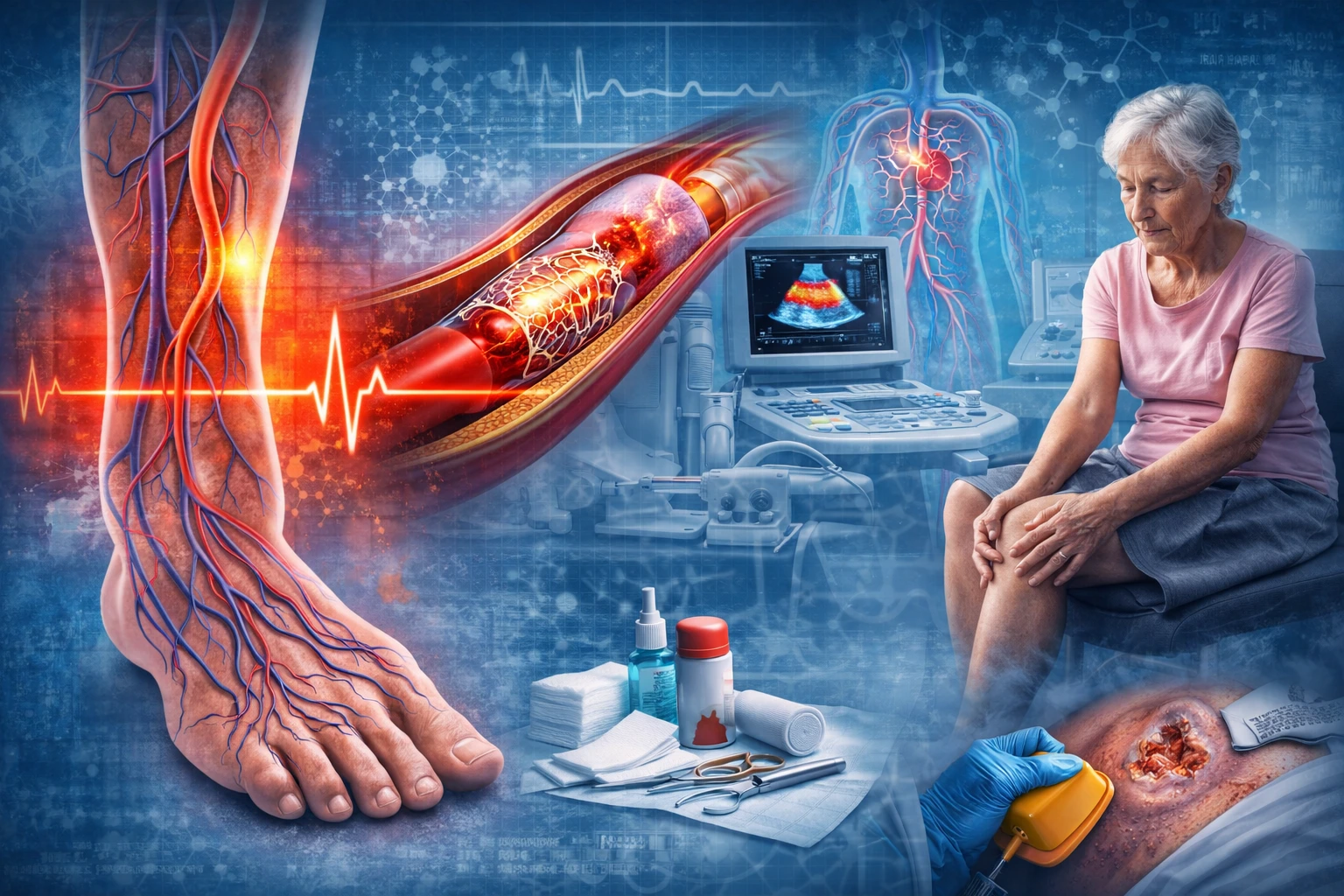
Peripheral vascular disease refers to conditions affecting the blood vessels outside the heart and brain, particularly in the legs, arms, and other peripheral regions of the body. These conditions are often caused by narrowed or blocked arteries, leading to reduced blood flow and oxygen supply to tissues.

Early diagnosis and treatment of peripheral vascular conditions are essential to prevent complications such as pain, tissue damage, ulcers, and even limb loss.

Why is Peripheral Vascular Care Important?

Peripheral vascular evaluation and treatment may be necessary if you are experiencing:

  • Leg pain while walking (intermittent claudication)
  • Numbness or weakness in the limbs
  • Coldness in the lower leg or foot
  • Changes in skin color or texture
  • Slow-healing wounds or ulcers
  • Swelling in the legs
  • Reduced or absent pulses in the limbs

Timely care helps restore blood flow and prevent serious complications.

Common Peripheral Vascular Conditions
  • Peripheral Artery Disease (PAD): Narrowing of arteries that reduces blood flow to the limbs.
  • Chronic Venous Insufficiency: Poor blood flow in veins leading to swelling and varicose veins.
  • Deep Vein Thrombosis (DVT): Formation of blood clots in deep veins, usually in the legs.
  • Varicose Veins: Enlarged, twisted veins visible under the skin.
  • Aneurysms: Abnormal bulging of blood vessel walls that can rupture if untreated.
  • Diabetic Vascular Disease: Blood vessel damage due to long-term diabetes.
Diagnostic Tests for Peripheral Vascular Conditions
  • Doppler Ultrasound: Evaluates blood flow in arteries and veins.
  • Ankle-Brachial Index (ABI): Compares blood pressure in the ankle and arm to detect blockages.
  • CT Angiography: Provides detailed images of blood vessels.
  • MR Angiography: Uses magnetic imaging to assess vascular structures.
  • Peripheral Angiography: A specialized imaging test to identify blockages in blood vessels.
Treatment Options for Peripheral Vascular Disease
  • Lifestyle Modifications: Regular exercise, healthy diet, smoking cessation, and weight management.
  • Medications: Blood thinners, cholesterol-lowering drugs, and medications to improve blood flow.
  • Angioplasty and Stenting: Minimally invasive procedures to open narrowed or blocked arteries.
  • Bypass Surgery: Surgical rerouting of blood flow around blocked arteries.
  • Compression Therapy: Use of compression stockings for venous conditions.
  • Wound Care Management: Specialized care for ulcers and non-healing wounds.
What Happens During Peripheral Vascular Treatment?
  1. Initial Evaluation: Assessment of symptoms, medical history, and physical examination.
  2. Diagnostic Testing: Imaging and blood flow studies to identify the problem.
  3. Treatment Planning: Customized approach based on the severity and type of condition.
  4. Procedure or Therapy: Medical or surgical treatment is performed as needed.
  5. Follow-Up Care: Monitoring recovery and preventing recurrence.
Benefits of Peripheral Vascular Treatment

Peripheral vascular treatment improves blood circulation, reduces pain and discomfort, promotes healing of ulcers, and prevents severe complications such as infections or limb loss. It enhances mobility, overall quality of life, and long-term vascular health.

Why Choose Dr. Gnanadev N C for Peripheral Vascular Care?

Dr. Gnanadev N C provides comprehensive peripheral vascular care with advanced diagnostic techniques and minimally invasive treatments. With expertise in managing both arterial and venous disorders, patients receive personalized care focused on improving circulation and preventing complications. From early diagnosis to advanced interventions, the approach ensures effective and compassionate care for optimal vascular health.

Get in Touch for Expert Heart Care

Contact us for timely diagnosis, expert guidance, and compassionate heart care.