
Palpitations

Palpitations: Understanding Abnormal Heartbeats and Their Causes

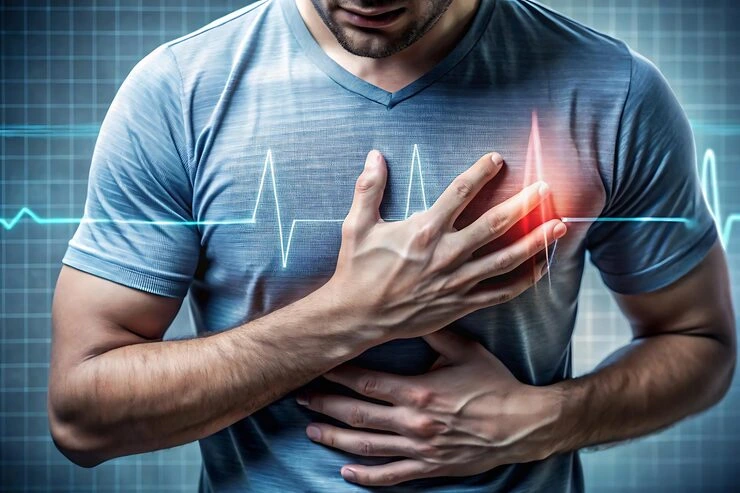
Palpitations refer to the sensation of an irregular, rapid, or forceful heartbeat. While palpitations are often harmless, they can sometimes be a sign of an underlying heart condition. These irregular heartbeats may feel like fluttering, pounding, or racing in the chest, throat, or neck. Palpitations can occur during physical activity, emotional stress, or even at rest, and their duration can vary from a few seconds to several minutes.

In most cases, palpitations are benign and may not require treatment, but it is essential to investigate the cause, particularly if they are frequent, prolonged, or associated with other symptoms like dizziness or chest pain.

Why are Palpitations Important?

Palpitations are important to diagnose and manage because:

  • Potential Heart Disease: In some cases, palpitations can indicate heart arrhythmias, which may require medical intervention.
  • Risk of Stroke: Certain types of arrhythmias, such as atrial fibrillation, can increase the risk of blood clot formation, which may lead to a stroke.
  • Quality of Life Impact: Frequent palpitations can lead to anxiety, fatigue, and reduced quality of life, particularly if they are accompanied by chest pain or shortness of breath.
  • Need for Treatment: Identifying the cause of palpitations can lead to effective treatments, especially if it’s related to a treatable condition like anxiety or thyroid dysfunction.
Causes and Risk Factors for Palpitations
  • Heart Conditions:
    • Arrhythmias: Irregular heart rhythms, such as atrial fibrillation, premature ventricular contractions (PVCs), or tachycardia.
    • Heart Valve Disease: Malfunctioning heart valves may lead to abnormal blood flow, causing palpitations.
    • Coronary Artery Disease: Reduced blood flow to the heart can cause irregular heartbeats and palpitations.
    • Heart Failure: Weakening of the heart muscle may result in irregular rhythms.
  • Lifestyle Factors:
    • Exercise: Intense physical activity can lead to temporary palpitations, particularly if the body is not used to high-intensity exercise.
    • Caffeine: Excessive intake of caffeinated beverages can trigger palpitations.
    • Alcohol and Nicotine: Both can stimulate the heart, causing irregular beats.
    • Stress and Anxiety: Emotional stress and panic attacks can lead to palpitations.
  • Hormonal Changes:
    • Thyroid Disorders: Both hyperthyroidism and hypothyroidism can cause palpitations due to changes in metabolism.
    • Pregnancy: Hormonal fluctuations during pregnancy can sometimes lead to palpitations.
  • Medications and Drugs:
    • Stimulants: Certain medications, such as decongestants or asthma medications, can increase heart rate and cause palpitations.
    • Illicit Drugs: Drugs like cocaine and methamphetamine can lead to severe palpitations and arrhythmias.
  • Electrolyte Imbalances: Low levels of potassium, magnesium, or calcium can cause irregular heart rhythms, leading to palpitations.
  • Anemia: Low red blood cell count (anemia) reduces the oxygen supply to the heart, causing palpitations.
Symptoms of Palpitations
  • Fluttering Sensation: A feeling of the heart “skipping beats” or beating too quickly.
  • Rapid Heartbeat: A feeling of a fast or racing heart, especially during rest or sleep.
  • Pounding in the Chest: The sensation that the heart is pounding or thumping hard in the chest or throat.
  • Lightheadedness or Dizziness: Feeling faint or unsteady, especially if palpitations are associated with low blood pressure.
  • Shortness of Breath: Difficulty breathing or feeling breathless, which may accompany palpitations.
  • Chest Discomfort: A tight or heavy feeling in the chest, particularly when palpitations are related to heart conditions.
Diagnosing Palpitations
  • Physical Examination: The doctor will assess your heart rate, blood pressure, and overall symptoms to help identify the cause.
  • Electrocardiogram (ECG or EKG): A test that records the electrical activity of the heart and can detect arrhythmias or other heart conditions that cause palpitations.
  • Holter Monitor: A 24-48 hour portable ECG monitor that continuously records heart rhythms, especially useful for intermittent palpitations.
  • Event Monitor: Similar to the Holter monitor but worn for longer periods (up to 30 days) to capture occasional palpitations.
  • Echocardiogram: An ultrasound test that provides detailed images of the heart’s structure and function, useful for detecting heart valve problems or heart muscle issues.
  • Stress Test: A test to evaluate the heart’s performance under physical exertion and detect exercise-induced palpitations or arrhythmias.
  • Blood Tests: To check for underlying conditions such as thyroid dysfunction, anemia, or electrolyte imbalances that may contribute to palpitations.
Treatment Options for Palpitations
  • Lifestyle Modifications:
    • Avoiding Triggers: Reducing caffeine, alcohol, and nicotine intake can help prevent palpitations.
    • Stress Management: Relaxation techniques like yoga, meditation, and deep breathing exercises can reduce anxiety-related palpitations.
    • Exercise: Regular physical activity can help improve heart health and reduce palpitations triggered by physical inactivity.
  • Medications:
    • Beta-blockers: Medications that reduce heart rate and help prevent abnormal rhythms, often used to treat arrhythmias causing palpitations.
    • Calcium Channel Blockers: These medications can help control heart rate and prevent palpitations due to arrhythmias.
    • Anti-arrhythmic Drugs: Medications that regulate heart rhythm and reduce palpitations caused by arrhythmias.
  • Cardioversion: In some cases, an electrical shock may be delivered to the heart to restore normal rhythm if palpitations are caused by arrhythmias like atrial fibrillation.
  • Catheter Ablation: A procedure that targets the areas of the heart causing abnormal electrical signals and eliminates them to restore normal rhythm.
  • Pacemaker: In cases where palpitations are caused by slow heart rates (bradycardia), a pacemaker may be implanted to regulate heart rhythm.
Preventing Palpitations
  • Healthy Lifestyle: Eating a heart-healthy diet, exercising regularly, and managing stress can help reduce the frequency of palpitations.
  • Avoid Known Triggers: Limit or avoid substances like caffeine, nicotine, and alcohol that can cause palpitations.
  • Manage Stress: Practice relaxation techniques to reduce the emotional triggers of palpitations.
  • Regular Check-ups: Regular monitoring of heart health, especially if you have underlying conditions like hypertension or arrhythmias.
Why Choose Dr. Gnanadev N C for Palpitations Diagnosis and Treatment?

Dr. Gnanadev N C specializes in the diagnosis and management of palpitations, offering personalized care to help identify the underlying cause and provide effective treatment. Whether your palpitations are related to heart disease, stress, or lifestyle factors, Dr. Gnanadev offers advanced diagnostic tools and a comprehensive treatment plan to help manage and reduce symptoms, improving your overall heart health and quality of life.

Get in Touch for Expert Heart Care

Contact us for timely diagnosis, expert guidance, and compassionate heart care.