
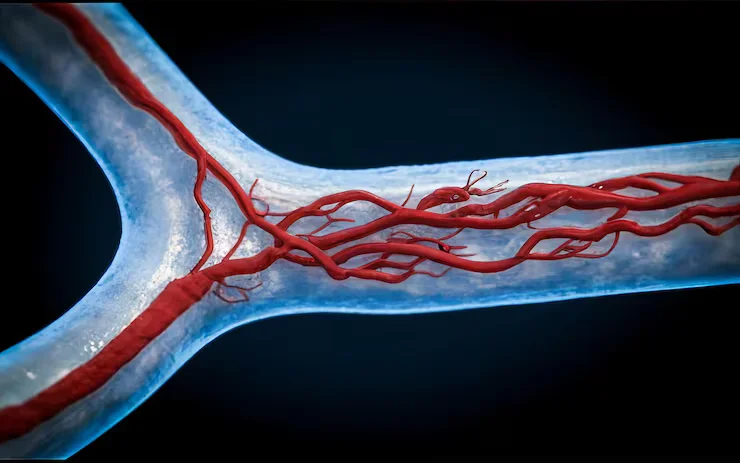
Venoplasty / AV Fistula Interventions

Venoplasty / AV Fistula Interventions: Restoring Healthy Blood Flow in Veins and Dialysis Access

Venoplasty and AV Fistula Interventions are minimally invasive procedures used to treat narrowed or blocked veins and to maintain or restore proper function of arteriovenous (AV) fistulas used for dialysis. These procedures help improve blood flow, relieve symptoms, and ensure effective dialysis access in patients with kidney disease.

Using catheter-based techniques, doctors can open narrowed veins or repair malfunctioning fistulas without the need for major surgery.

Why are Venoplasty / AV Fistula Interventions Recommended?

These procedures may be recommended if you have:

  • Narrowed or blocked veins (venous stenosis)
  • Reduced blood flow in an AV fistula used for dialysis
  • Difficulty in dialysis due to poor access flow
  • Swelling in the arm, neck, or face due to vein blockage
  • Clot formation in veins or dialysis access sites
  • Repeated dialysis access failure
Conditions Treated with Venoplasty / AV Fistula Interventions
  • Venous Stenosis: Narrowing of veins affecting blood flow
  • AV Fistula Dysfunction: Reduced or abnormal blood flow in dialysis access
  • Thrombosed AV Fistula: Clot formation blocking the fistula
  • Central Vein Obstruction: Blockage in major veins affecting circulation
  • Dialysis Access Complications: Including poor flow or failure
Types of Venoplasty and AV Fistula Procedures
  • Balloon Venoplasty: A balloon catheter is used to widen narrowed veins
  • Stenting: Placement of a stent to keep the vein open
  • Thrombectomy: Removal of blood clots from veins or fistulas
  • Fistuloplasty: Angioplasty performed specifically on AV fistulas
  • Access Revision Procedures: Techniques to restore proper dialysis access
What Happens During the Procedure?
  1. Preparation: The procedure is performed under local anesthesia
  2. Catheter Insertion: A catheter is inserted through a small puncture in the skin
  3. Imaging Guidance: Contrast dye is used to identify the narrowed or blocked area
  4. Treatment: Balloon dilation, clot removal, or stent placement is performed
  5. Completion: The catheter is removed, and the access site is secured

The procedure usually takes about 1–2 hours, and patients can often return home the same day.

Benefits of Venoplasty / AV Fistula Interventions
  • Minimally invasive procedure with no major surgery
  • Restores proper blood flow in veins and fistulas
  • Improves effectiveness of dialysis treatment
  • Reduces swelling and discomfort
  • Short recovery time and minimal hospital stay
Risks and Considerations
  • Bleeding or infection at the insertion site
  • Re-narrowing of the vein (restenosis)
  • Clot recurrence in some cases
  • Rare risk of vessel injury
  • Need for repeat procedures in long-term management
Recovery After Venoplasty / AV Fistula Interventions
  • Most patients resume normal activities within a day or two
  • Regular monitoring of fistula function is important
  • Follow-up imaging may be required
  • Maintaining proper care of dialysis access is essential
  • Medications may be prescribed to prevent clot formation
Why Choose Dr. Gnanadev N C for Venoplasty / AV Fistula Interventions?

Dr. Gnanadev N C provides expert care in managing venous disorders and dialysis access complications using advanced minimally invasive techniques. With extensive experience in vascular interventions, he ensures accurate diagnosis, effective treatment, and long-term maintenance of AV fistulas.

Patients receive personalized care focused on improving dialysis efficiency, reducing complications, and enhancing overall vascular health.

Get in Touch for Expert Heart Care

Contact us for timely diagnosis, expert guidance, and compassionate heart care.