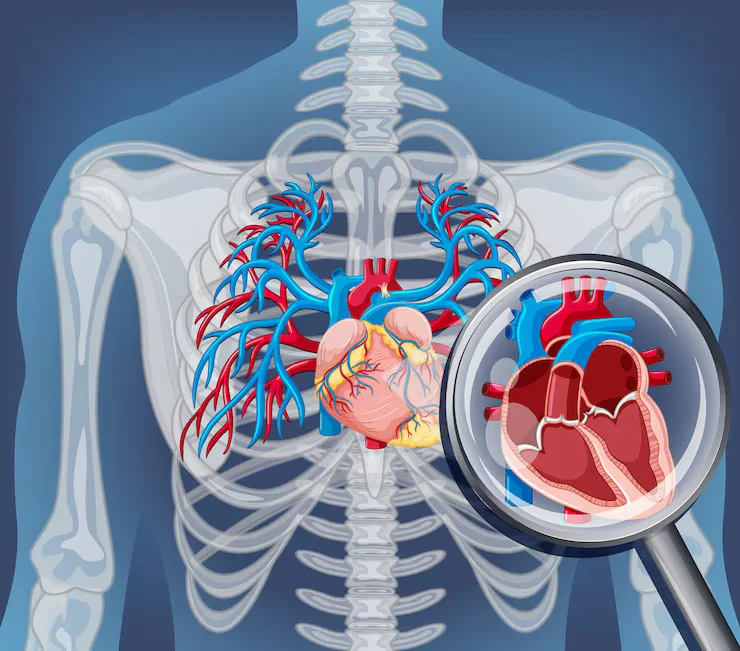
Coronary Angiogram: Understanding the Procedure for Diagnosing Heart Disease
A coronary angiogram is a medical procedure used to visualize the inside of the coronary arteries, which supply blood to the heart muscle. It is an essential diagnostic tool for detecting blockages, narrowing, or other abnormalities in the coronary arteries that can lead to heart disease, heart attacks, or other cardiovascular problems.
During the procedure, a contrast dye is injected into the coronary arteries through a catheter, allowing detailed images to be captured using X-ray technology. This enables doctors to assess the severity of coronary artery disease (CAD) and determine the most appropriate treatment options.
Why is a Coronary Angiogram Important?
A coronary angiogram is important because:
- Diagnosing Coronary Artery Disease (CAD): It helps identify blockages, narrowing, or damage to the coronary arteries, which can lead to chest pain (angina) or heart attacks.
- Guiding Treatment Decisions: The procedure helps doctors decide on the best course of treatment, whether that involves lifestyle changes, medications, or interventions such as angioplasty or coronary artery bypass surgery.
- Assessing Heart Function: It provides valuable information about how well the heart is receiving blood and whether there are any areas of the heart that are deprived of oxygen due to restricted blood flow.
Indications for a Coronary Angiogram
A coronary angiogram is typically recommended for individuals who:
- Experience Chest Pain (Angina): Unexplained chest pain or discomfort that could indicate a blockage or narrowing of the coronary arteries.
- Have a History of Heart Disease: People with a family history of coronary artery disease or those with existing heart conditions may need a coronary angiogram for further evaluation.
- Have Uncontrolled Risk Factors: Individuals with high blood pressure, diabetes, high cholesterol, or a history of smoking are at increased risk for heart disease.
- Have Abnormal ECG or Stress Test Results: If other diagnostic tests (e.g., electrocardiogram or stress tests) indicate potential heart problems, a coronary angiogram can confirm the diagnosis.
- Require Treatment for CAD: If angioplasty or bypass surgery is being considered, a coronary angiogram can provide the necessary details for planning the procedure.
Symptoms Leading to a Coronary Angiogram
Common symptoms that may lead to a coronary angiogram include:
- Chest Pain: A feeling of pressure, tightness, or discomfort in the chest, especially with physical exertion or stress.
- Shortness of Breath: Difficulty breathing, particularly with exertion, which could indicate poor heart function due to blocked arteries.
- Fatigue: Unexplained fatigue or tiredness that can be related to inadequate blood flow to the heart muscle.
- Dizziness or Lightheadedness: Episodes of dizziness, fainting, or near-fainting, which could indicate reduced blood flow to the brain.
How is a Coronary Angiogram Performed?
A coronary angiogram is usually done in a specialized lab called a catheterization lab (or cath lab). Here’s how the procedure works:
- Preparation: The patient is typically asked to fast for several hours before the procedure. The area where the catheter will be inserted (usually the groin or wrist) is cleaned and numbed with a local anesthetic.
- Insertion of the Catheter: A thin, flexible tube (catheter) is inserted into the blood vessels through a small incision. The catheter is guided through the arteries to the coronary arteries under the guidance of X-ray imaging.
- Injection of Contrast Dye: A contrast dye is injected through the catheter into the coronary arteries. This dye makes the arteries visible on X-ray images, allowing doctors to identify blockages or narrowing.
- Imaging: X-ray images are taken while the dye is circulating through the coronary arteries. These images provide detailed views of the blood vessels and the heart’s function.
- Post-Procedure Care: After the procedure, the catheter is removed, and pressure is applied to the insertion site to prevent bleeding. Patients are monitored for a short period before being discharged, depending on the procedure’s complexity.
Risks and Complications of Coronary Angiogram
While coronary angiography is generally safe, it carries some risks, including:
- Bleeding at the Insertion Site: This can occur if the blood vessels are not sealed properly after the catheter is removed.
- Allergic Reaction to the Contrast Dye: Some individuals may have an allergic reaction to the contrast dye used during the procedure.
- Infection: As with any invasive procedure, there is a risk of infection at the insertion site.
- Kidney Damage: The contrast dye can sometimes affect kidney function, particularly in individuals with pre-existing kidney problems.
- Heart Attack or Stroke: In rare cases, the procedure can trigger a heart attack or stroke due to the manipulation of arteries.
Treatment Options After a Coronary Angiogram
Based on the findings of the coronary angiogram, several treatment options may be considered:
- Lifestyle Modifications: Improving diet, exercising, quitting smoking, and managing stress are key components in reducing the risk of further artery damage and improving heart health.
- Medications:
- Statins: To lower cholesterol and prevent further plaque buildup in the arteries.
- Antiplatelet Drugs: Medications like aspirin or clopidogrel are used to prevent blood clots from forming in the arteries.
- Beta-blockers: To lower heart rate and reduce the heart’s workload, improving heart function.
- Angiotensin-Converting Enzyme (ACE) Inhibitors: To help relax blood vessels and lower blood pressure, improving heart function.
- Angioplasty and Stenting: If blockages or narrowing of the arteries are detected, doctors may perform angioplasty, which involves using a balloon to open up the blocked arteries. A stent, a small mesh tube, may be placed to keep the artery open.
- Coronary Artery Bypass Surgery (CABG): In severe cases of coronary artery disease, surgery may be required to bypass the blocked arteries, restoring proper blood flow to the heart.
Preventing Coronary Artery Disease
- Manage Risk Factors: Keeping blood pressure, cholesterol, and blood sugar levels under control is crucial to preventing further damage to the coronary arteries.
- Healthy Diet: A diet low in saturated fats, salt, and cholesterol can help reduce the risk of plaque buildup in the arteries.
- Exercise Regularly: Physical activity strengthens the heart and improves circulation, helping to prevent coronary artery disease.
- Quit Smoking: Smoking accelerates the development of atherosclerosis and raises the risk of heart disease.
- Regular Health Screenings: Regular check-ups and blood tests can help monitor risk factors and detect early signs of coronary artery disease.
Why Choose Dr. Gnanadev N C for Coronary Angiogram and Heart Disease Treatment?
Dr. Gnanadev N C specializes in the diagnosis and treatment of heart disease, offering comprehensive evaluation through coronary angiography and other advanced diagnostic tools. Based on the results, Dr. Gnanadev provides personalized treatment plans, including lifestyle modifications, medications, angioplasty, and surgery, to improve heart function and prevent complications. Whether you need a coronary angiogram or ongoing management for heart disease, you will receive expert care to optimize your cardiovascular health.