Peripheral Angioplasty: Restoring Blood Flow to the Limbs
Peripheral angioplasty is a procedure used to open up narrowed or blocked arteries in the arms, legs, or other peripheral blood vessels. It is commonly performed to treat peripheral artery disease (PAD), a condition where the arteries become narrowed or blocked due to plaque buildup, reducing blood flow to the limbs. This condition can lead to symptoms like pain, cramping, and fatigue, and in severe cases, it may result in ulcers, gangrene, or even limb loss.
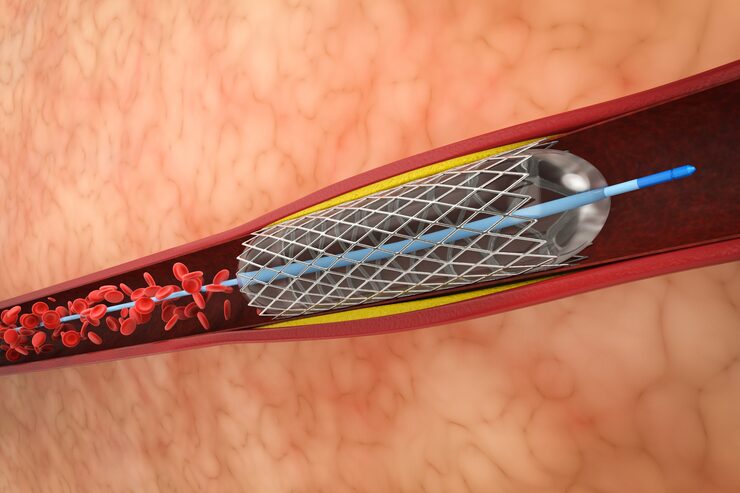
Peripheral angioplasty is a minimally invasive procedure that uses a balloon to widen the blocked artery, improving blood flow to the affected area. In some cases, a stent (a small mesh tube) may be placed to keep the artery open.
Why is Peripheral Angioplasty Important?
Peripheral angioplasty is important because:
- Restores Blood Flow: It helps improve blood circulation to the limbs, providing relief from pain, cramps, and fatigue associated with PAD.
- Prevents Limb Loss: By opening blocked arteries, the procedure helps prevent the need for amputation in severe cases of PAD.
- Improves Quality of Life: Peripheral angioplasty allows patients to resume normal activities and improves mobility by reducing symptoms of leg pain and weakness.
- Reduces Complications: Timely intervention can prevent complications like ulcers, infections, or gangrene, which can result from inadequate blood flow to the limbs.
Indications for Peripheral Angioplasty
Peripheral angioplasty is recommended for patients who:
- Experience Leg Pain or Cramping: Pain or cramping in the legs, particularly during walking or physical activity (intermittent claudication), which improves with rest.
- Have Non-Healing Wounds or Ulcers: Chronic wounds, ulcers, or sores on the legs or feet that do not heal due to poor circulation.
- Show Symptoms of PAD: Cold or pale legs, weak or absent pulses in the feet or legs, and delayed healing of cuts or injuries.
- Have Severe PAD: When blockages are present in the peripheral arteries, and symptoms are not alleviated by medications or lifestyle changes.
How is Peripheral Angioplasty Performed?
Peripheral angioplasty involves the following steps:
- Preparation: The patient is typically given a mild sedative and local anesthesia at the catheter insertion site (usually the groin or wrist). The procedure is done in a catheterization lab (cath lab).
- Catheter Insertion: A small, flexible tube (catheter) is inserted into the artery and guided to the area being treated, using X-ray imaging (fluoroscopy).
- Balloon Angioplasty: A balloon at the tip of the catheter is inflated at the site of the blockage to widen the artery and improve blood flow. The balloon compresses the plaque against the artery walls.
- Stent Placement: In some cases, after balloon angioplasty, a stent (a small mesh tube) is placed in the artery to keep it open and prevent re-narrowing (restenosis).
- Post-Procedure Care: Once the artery is opened, the catheter is removed, and pressure is applied to the insertion site to stop any bleeding. The patient is monitored for a short period before being discharged.
Risks and Complications of Peripheral Angioplasty
While peripheral angioplasty is generally safe, there are some potential risks and complications, including:
- Bleeding: At the catheter insertion site or internally, particularly if blood-thinning medications are used.
- Blood Clots: Clots can form inside the artery or stent, leading to a possible heart attack, stroke, or another clot in the limbs.
- Infection: As with any invasive procedure, there is a risk of infection at the catheter insertion site.
- Artery Injury: The artery may be damaged during the procedure, leading to dissection, rupture, or perforation.
- Restenosis: In some cases, the artery may narrow again after treatment, necessitating further intervention or stent placement.
- Kidney Damage: The contrast dye used in the procedure can affect kidney function, particularly in patients with pre-existing kidney problems.
Post-Procedure Care for Peripheral Angioplasty
After the procedure, patients typically need the following post-procedure care:
- Monitoring: Patients are usually monitored for a few hours after the procedure to ensure there are no immediate complications, such as bleeding or clot formation.
- Medications: Antiplatelet medications like aspirin or clopidogrel may be prescribed to prevent blood clots from forming around the stent.
- Lifestyle Modifications: A heart-healthy diet, regular physical activity, smoking cessation, and weight management are essential for long-term success.
- Follow-up Appointments: Regular visits to the cardiologist for monitoring blood flow, managing medications, and assessing the need for additional treatments.
- Gradual Resumption of Activity: Patients are encouraged to gradually resume physical activity based on their condition and doctor’s recommendations.
Preventing Peripheral Artery Disease and the Need for Future Angioplasty
To reduce the risk of developing PAD or requiring further angioplasty procedures:
- Control Risk Factors: Manage high blood pressure, diabetes, cholesterol, and other conditions that increase the risk of peripheral artery disease.
- Healthy Lifestyle: A diet rich in fruits, vegetables, whole grains, and lean proteins, along with regular exercise, helps improve circulation and prevent further blockages.
- Quit Smoking: Smoking cessation is one of the most important steps to reduce the risk of PAD and improve vascular health.
- Regular Health Screenings: Routine check-ups to monitor heart health, cholesterol, and blood pressure can help detect PAD early and prevent complications.
Why Choose Dr. Gnanadev N C for Peripheral Angioplasty?
Dr. Gnanadev N C specializes in the diagnosis and treatment of peripheral artery disease, offering advanced treatment options like peripheral angioplasty to restore blood flow and improve quality of life. With expertise in angioplasty and stent placement, Dr. Gnanadev provides personalized care for patients with PAD, ensuring optimal results and reducing the risk of future complications. Whether for a routine procedure or more complex interventions, you can trust Dr. Gnanadev for expert, compassionate care every step of the way.