
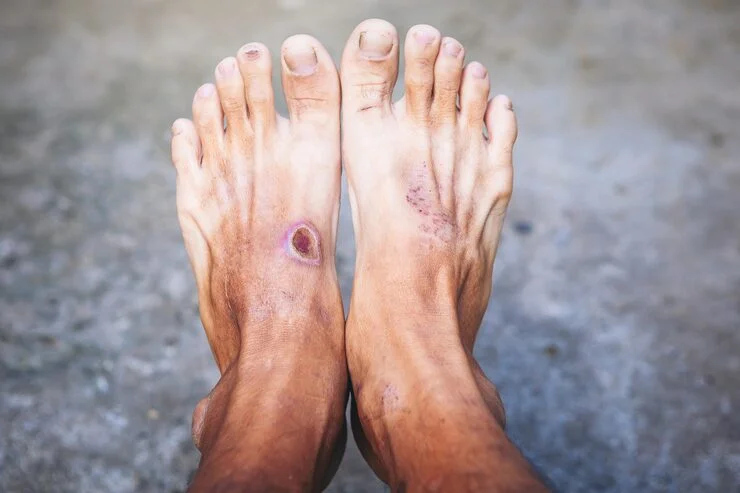
Diabetic Foot / Non-Healing Ulcers

Diabetic Foot / Non-Healing Ulcers: Understanding Complications of Diabetes on Foot Health

Diabetic foot and non-healing ulcers are common complications of diabetes, caused by poor blood circulation and nerve damage (neuropathy). These conditions increase the risk of infections, slow healing, and, in severe cases, can lead to the need for amputation. Diabetic foot problems typically affect individuals who have had uncontrolled blood sugar levels for years.

These ulcers are typically painless due to nerve damage and may not show symptoms until infection has set in. Timely treatment and proper foot care can significantly reduce the risk of severe outcomes.

Why is Diabetic Foot / Non-Healing Ulcers Important?

It is crucial to diagnose and treat diabetic foot issues early because:

  • Increased Risk of Infection: Poor circulation and nerve damage can prevent the body from healing properly, leading to infections.
  • Gangrene: Without proper treatment, infections can spread, leading to gangrene and possible amputation.
  • Loss of Mobility: Foot ulcers can lead to difficulty walking or standing, reducing quality of life.
  • Complications with Diabetes: Diabetic foot problems often signal poorly controlled blood sugar, which can affect other parts of the body.
Causes and Risk Factors for Diabetic Foot / Non-Healing Ulcers
  • Poor Blood Circulation: High blood sugar levels damage blood vessels, reducing blood flow to the feet, which affects healing.
  • Nerve Damage (Neuropathy): High blood sugar levels can cause nerve damage, leading to a loss of sensation in the feet. This makes it difficult to feel injuries or ulcers.
  • Foot Deformities: Structural changes in the feet, such as bunions or hammertoes, can cause pressure points that lead to ulcer formation.
  • Infections: Bacteria can easily enter through breaks in the skin, exacerbating existing ulcers and leading to severe infections.
  • Uncontrolled Blood Sugar Levels: Chronic high blood sugar can impair the immune system’s ability to fight infections, making it harder for wounds to heal.
Symptoms of Diabetic Foot / Non-Healing Ulcers
  • Pain and Tenderness: Though often painless due to neuropathy, some individuals may experience pain around the ulcer.
  • Redness and Swelling: Surrounding tissues may become red, swollen, and warm to the touch, indicating infection.
  • Drainage: The ulcer may leak pus or other discharge, especially if an infection is present.
  • Unpleasant Odor: A foul smell is often associated with infected ulcers.
  • Sores or Ulcers on the Feet: Open wounds that do not heal or heal very slowly despite proper care.
  • Loss of Sensation: Due to nerve damage, patients may not feel pain or notice the presence of ulcers until they become severe.
Diagnosing Diabetic Foot / Non-Healing Ulcers
  • Physical Examination: A thorough exam of the feet is performed to check for ulcers, signs of infection, or deformities.
  • Blood Tests: These may be done to check blood sugar levels and rule out any underlying issues contributing to the ulcer.
  • Doppler Ultrasound: This test can assess blood circulation in the feet to determine if reduced blood flow is contributing to the problem.
  • Wound Culture: If infection is suspected, a sample from the ulcer is taken to identify the bacteria causing the infection.
  • X-rays: To detect any bone involvement or damage in the area around the ulcer.
Treatment Options for Diabetic Foot / Non-Healing Ulcers
  • Blood Sugar Control: Proper management of blood sugar levels is the cornerstone of preventing and treating diabetic foot ulcers.
  • Wound Care: Keeping the ulcer clean and covered with appropriate dressings to promote healing and prevent infection.
  • Debridement: Removal of dead tissue from the ulcer to allow healthy tissue to grow.
  • Antibiotics: If an infection is present, antibiotics are prescribed either orally or topically.
  • Surgical Intervention: In severe cases, surgery may be required to remove infected tissue or treat underlying foot deformities.
  • Foot Care Education: Teaching patients proper foot hygiene, regular foot inspection, and the importance of wearing proper footwear to prevent future ulcers.
  • Revascularization: For patients with poor blood circulation, procedures like angioplasty or bypass surgery may be needed to improve blood flow to the feet.
Preventing Diabetic Foot / Non-Healing Ulcers
  • Monitor Blood Sugar Levels: Keeping blood glucose levels under control can prevent complications like diabetic neuropathy and poor circulation.
  • Regular Foot Inspections: Check your feet daily for cuts, blisters, or redness, especially if you have neuropathy.
  • Proper Foot Care: Wash and dry your feet thoroughly, moisturize to prevent dryness, and avoid walking barefoot to prevent injuries.
  • Wear Proper Footwear: Choose shoes that fit well and provide ample support. Avoid tight shoes or socks that could cause pressure points on your feet.
  • Quit Smoking: Smoking reduces blood flow to the feet and increases the risk of developing ulcers.
  • Regular Foot Exams: Have regular check-ups with a healthcare provider to ensure your feet are healthy and free of any potential issues.
Why Choose Dr. Gnanadev N C for Diabetic Foot / Non-Healing Ulcers Treatment?

Dr. Gnanadev N C specializes in the management of diabetic foot and non-healing ulcers, offering comprehensive care to prevent complications and promote healing. With expertise in wound care, blood flow management, and diabetes management, Dr. Gnanadev provides personalized treatment plans tailored to each patient’s needs. Whether you require wound care, infection management, or surgical intervention, you will receive expert care for optimal foot health and well-being.

Get in Touch for Expert Heart Care

Contact us for timely diagnosis, expert guidance, and compassionate heart care.