
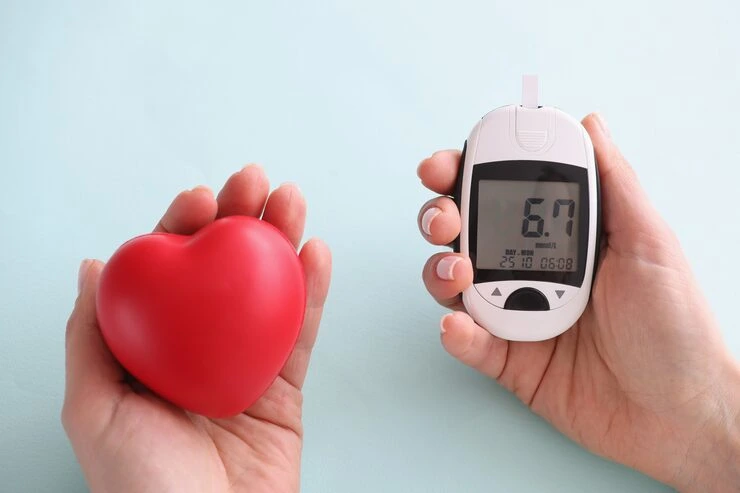
Cardio-Diabetes

Cardio-Diabetes: Understanding the Link Between Heart Disease and Diabetes

Cardio-diabetes refers to the interconnected relationship between cardiovascular disease (CVD) and diabetes. People with diabetes, particularly type 2 diabetes, are at a higher risk of developing heart disease, stroke, and other circulatory problems. Elevated blood sugar levels over time can damage blood vessels, increase inflammation, and lead to the buildup of plaque in arteries, a condition known as atherosclerosis.

Managing both diabetes and heart disease simultaneously is crucial, as they exacerbate each other, leading to more severe health complications if not properly controlled.

Why is Cardio-Diabetes Important?

Cardio-diabetes is important to address because:

  • Increased Risk of Heart Disease: Diabetes significantly raises the risk of heart disease due to the impact of high blood sugar on blood vessels and circulation.
  • Higher Stroke Risk: Both diabetes and heart disease increase the likelihood of stroke due to the combined effect of high blood pressure, high cholesterol, and blood vessel damage.
  • Compounded Complications: Diabetes can worsen heart disease, while heart disease can make managing diabetes more difficult. This dual burden increases the risk of complications like kidney disease, nerve damage, and eye problems.
  • Chronic Condition Management: Managing both conditions requires careful monitoring of blood glucose, cholesterol, blood pressure, and lifestyle changes to prevent long-term complications.
Causes and Risk Factors for Cardio-Diabetes
  • Poor Blood Sugar Control: Uncontrolled blood sugar over time damages blood vessels, leading to atherosclerosis and increased cardiovascular risk.
  • High Blood Pressure (Hypertension): High blood pressure, common in people with diabetes, further damages blood vessels and increases the likelihood of heart disease.
  • Obesity: Excess weight contributes to both diabetes and heart disease by raising blood sugar, cholesterol, and blood pressure.
  • Sedentary Lifestyle: Lack of physical activity worsens both diabetes and heart disease by leading to weight gain, increased blood sugar, and poor heart health.
  • Unhealthy Diet: Diets high in unhealthy fats, processed foods, and sugars contribute to poor blood sugar control, high cholesterol, and elevated blood pressure.
  • Genetics: A family history of diabetes or heart disease increases the likelihood of developing both conditions.
  • Chronic Inflammation: Both diabetes and heart disease contribute to inflammation in the blood vessels, accelerating the development of atherosclerosis.
Symptoms of Cardio-Diabetes
  • Shortness of Breath: Difficulty breathing, especially during physical activity, which may signal heart failure or poor heart function.
  • Chest Pain or Discomfort: A common symptom of heart disease, which may feel like pressure, tightness, or squeezing in the chest.
  • Fatigue: Unusual tiredness or weakness, especially with physical exertion, due to the heart’s inability to pump blood efficiently or the body’s poor glucose regulation.
  • Swelling: Fluid buildup in the legs, ankles, or abdomen due to heart failure or poor circulation.
  • Dizziness or Lightheadedness: A feeling of faintness or unsteadiness, especially if heart disease is causing low blood pressure or arrhythmias.
  • Frequent Urination: A symptom of poorly controlled diabetes, often worsened by heart disease due to fluid retention and kidney dysfunction.
Diagnosing Cardio-Diabetes
  • Physical Examination: A healthcare provider will check for signs of heart disease (e.g., heart murmurs, swelling) and assess overall health.
  • Blood Tests: These may include tests for blood sugar (fasting glucose, HbA1c), cholesterol levels (LDL, HDL, triglycerides), and kidney function (creatinine, eGFR).
  • Electrocardiogram (ECG): A test to assess heart rhythm and detect any irregularities that may be caused by both diabetes and heart disease.
  • Echocardiogram: An ultrasound of the heart that helps assess heart function and detect structural problems such as damaged valves or poor pumping ability.
  • Stress Test: A test that monitors the heart’s performance under physical activity, helping detect any exercise-induced cardiovascular problems.
  • Coronary Angiography: A procedure that uses contrast dye and X-rays to visualize blocked coronary arteries, commonly used in people with both diabetes and heart disease.
Treatment Options for Cardio-Diabetes
  • Lifestyle Modifications:
    • Healthy Diet: Following a heart-healthy, diabetes-friendly diet that is rich in fiber, lean proteins, and healthy fats while avoiding processed foods, excess salt, and sugar.
    • Exercise: Regular physical activity, such as walking, cycling, or swimming, helps manage blood sugar levels, improve heart health, and reduce weight.
    • Weight Loss: Losing excess weight can help lower blood sugar, reduce cholesterol levels, and improve overall heart health.
    • Smoking Cessation: Quitting smoking improves heart health and reduces the risk of diabetes-related complications.
  • Medications:
    • Diabetes Medications: Medications such as insulin or oral drugs (e.g., metformin, SGLT-2 inhibitors) help control blood sugar levels and prevent long-term complications.
    • Blood Pressure Medications: ACE inhibitors, ARBs, beta-blockers, or diuretics may be used to control high blood pressure and reduce the strain on the heart.
    • Cholesterol Medications: Statins or other cholesterol-lowering medications help reduce the risk of plaque buildup in the arteries.
    • Aspirin: Low-dose aspirin may be prescribed to reduce the risk of blood clot formation in people with diabetes and heart disease.
  • Advanced Treatments:
    • Cardiac Procedures: In severe cases, procedures like angioplasty or coronary artery bypass grafting (CABG) may be necessary to restore blood flow to the heart.
    • Insulin Pumps: For people with type 1 diabetes or poorly controlled type 2 diabetes, insulin pumps can help manage blood sugar more effectively.
    • Implantable Devices: For those with arrhythmias or heart failure, pacemakers or implantable cardioverter defibrillators (ICDs) may be used to regulate the heart’s rhythm.
Preventing Cardio-Diabetes
  • Maintain a Healthy Weight: Achieving and maintaining a healthy weight is crucial for preventing both diabetes and heart disease.
  • Monitor Blood Sugar Levels: Regular monitoring of blood sugar levels can help catch any abnormalities early and prevent complications.
  • Heart-Healthy Diet: A diet low in sodium, unhealthy fats, and added sugars can reduce the risk of both diabetes and cardiovascular disease.
  • Regular Exercise: Aim for at least 150 minutes of moderate physical activity per week to improve heart and blood sugar health.
  • Control Blood Pressure and Cholesterol: Regularly monitor and manage blood pressure and cholesterol to prevent damage to the heart and blood vessels.
Why Choose Dr. Gnanadev N C for Cardio-Diabetes Management?

Dr. Gnanadev N C specializes in the comprehensive management of cardio-diabetes, offering personalized care for those living with both diabetes and heart disease. With a combination of lifestyle counseling, medications, and advanced treatments, Dr. Gnanadev helps patients reduce the risk of complications, improve their quality of life, and maintain optimal heart and blood sugar health. Whether you are managing early-stage cardio-diabetes or need advanced interventions, Dr. Gnanadev provides expert, compassionate care every step of the way.

Get in Touch for Expert Heart Care

Contact us for timely diagnosis, expert guidance, and compassionate heart care.