Electrocardiogram (ECG or EKG): Accurate Heart Assessment for Early Diagnosis
An Electrocardiogram (ECG or EKG) is a simple and essential heart test used to measure the electrical activity of the heart. It helps identify irregular heart rhythms, reduced blood flow, heart enlargement, and other cardiac conditions at an early stage. This quick and painless test provides valuable information about how your heart is functioning.
If you are experiencing chest pain, palpitations, dizziness, shortness of breath, or unexplained fatigue, an ECG can help detect the underlying cause and support the right treatment plan.
Why is an ECG Recommended?
- Chest pain or discomfort
- Irregular heartbeat or palpitations
- Dizziness or fainting
- Shortness of breath
- High blood pressure
- Suspected heart disease
- A family history of cardiac problems
- Existing heart conditions that need regular monitoring
The test is also commonly performed as part of a preventive heart check-up.
Conditions Diagnosed with an ECG
- Arrhythmia: An ECG can detect abnormal heart rhythms where the heartbeat may be too fast, too slow, or irregular.
- Heart Attack: It helps identify signs of an ongoing or previous heart attack by showing changes in the heart’s electrical activity.
- Coronary Artery Disease: An ECG may reveal reduced blood supply to the heart caused by narrowed or blocked arteries.
- Heart Enlargement: Conditions such as high blood pressure or valve disorders can enlarge the heart, which may be identified through an ECG.
- Other Cardiac Conditions: The test may also help detect electrolyte imbalances and other conditions affecting normal heart function.
Types of ECG Tests
- Resting ECG: Performed while you are lying comfortably, this is the most common ECG test used to record the heart’s activity at rest.
- Stress ECG: Also known as a treadmill test, this ECG records heart function during physical activity to evaluate how the heart performs under stress.
- Holter Monitoring: A portable ECG device worn for 24 to 48 hours to continuously monitor the heart and detect occasional rhythm disturbances.
What Happens During the Procedure?
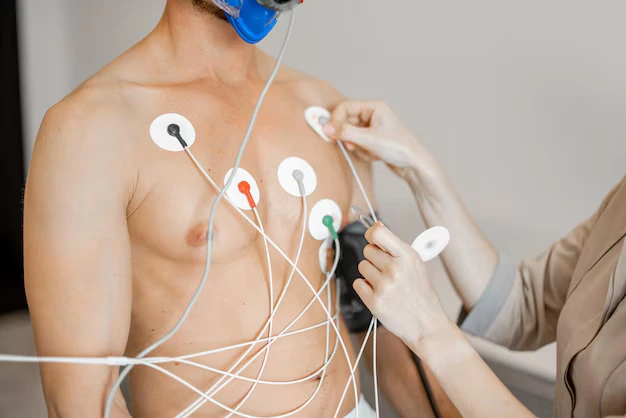
- Small electrodes are placed on the chest, arms, and legs.
- These electrodes are connected to the ECG machine.
- The machine records the electrical signals of the heart.
- The test takes only a few minutes and is completely painless. You can return to your regular activities immediately after the procedure.
Benefits of ECG Testing
- Early detection of heart problems
- Quick, safe, and non-invasive procedure
- Accurate evaluation of heart rhythm and function
- Helps plan the right treatment
- Useful for monitoring existing heart conditions
Why Choose Dr. Gnanadev N C for ECG Evaluation?
With extensive experience in diagnosing and treating heart conditions, Dr. Gnanadev N C provides detailed ECG evaluation and personalized cardiac care. Every ECG report is carefully reviewed to identify even subtle abnormalities and guide further treatment if required. From preventive heart check-ups to the management of complex cardiac symptoms, patients receive expert attention, accurate diagnosis, and compassionate care at every stage.