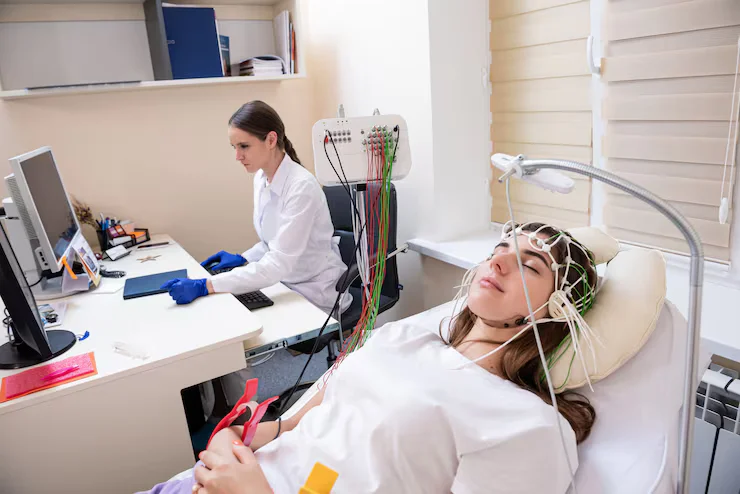
Dobutamine Stress ECHO: Assessing Heart Function with Medication
Dobutamine Stress Echocardiogram (Dobutamine Stress ECHO) is a specialized heart test used to assess the heart’s function and detect heart disease, especially in patients who cannot undergo a traditional treadmill stress test. Instead of physical exercise, the test uses a medication called dobutamine to simulate the effects of exercise on the heart, increasing the heart rate and workload.
The Dobutamine Stress ECHO provides valuable insights into the heart’s ability to handle stress and helps diagnose coronary artery disease, heart valve problems, and other cardiac conditions.
Why is Dobutamine Stress ECHO Recommended?
A Dobutamine Stress ECHO may be recommended if you have:
- Inability to perform physical exercise (e.g., due to joint issues or severe disability)
- Symptoms like chest pain, shortness of breath, dizziness, or palpitations
- History of heart disease or risk factors such as diabetes, high blood pressure, or high cholesterol
- Abnormal results from other heart tests (e.g., resting ECG or regular ECHO)
- Evaluation of heart function before or after heart surgery
- Assessment of heart performance during treatment or medication
Conditions Diagnosed with Dobutamine Stress ECHO
- Coronary Artery Disease: The test helps identify blockages or narrowing of the arteries that may not be noticeable at rest.
- Heart Valve Disorders: It can detect problems with heart valves, such as stenosis or regurgitation, under increased heart stress.
- Heart Failure: It helps assess how well the heart pumps under stress, providing insights into heart failure progression.
- Exercise Intolerance: For patients who cannot exercise, this test simulates physical activity to observe heart function under increased workload.
- Myocardial Ischemia: It can help detect insufficient blood flow to the heart muscle, which may lead to chest pain or heart attack.
What Happens During the Procedure?
- Preparation: You will be asked to lie on an examination table while an ECG is attached to your chest.
- Dobutamine Infusion: A medication called dobutamine is administered through an intravenous (IV) line. The drug will increase your heart rate to simulate exercise.
- Echocardiogram Imaging: As your heart rate increases, ultrasound images of the heart are taken to assess its structure and function.
- Monitoring: Your heart rate, blood pressure, and ECG will be continuously monitored throughout the test. The test will stop if any concerning symptoms arise.
- Recovery: After the medication is stopped, you will be monitored as your heart rate returns to normal. The entire procedure usually takes about 30 to 45 minutes.
Benefits of Dobutamine Stress ECHO
- Non-invasive and safe procedure
- Provides real-time, detailed heart images during stress
- Helps diagnose coronary artery disease, heart valve issues, and other cardiac conditions
- Useful for patients who cannot exercise due to physical limitations
- Monitors heart function and treatment effectiveness over time
- No radiation exposure (unlike traditional nuclear stress tests)
Why Choose Dr. Gnanadev N C for Dobutamine Stress ECHO?
Dr. Gnanadev N C offers expert Dobutamine Stress ECHO evaluations to accurately assess heart function under stress. With years of experience, Dr. Gnanadev carefully reviews the test results and provides personalized treatment recommendations based on a thorough understanding of your heart’s performance. Whether for diagnosis or routine monitoring, you will receive comprehensive and compassionate care every step of the way.