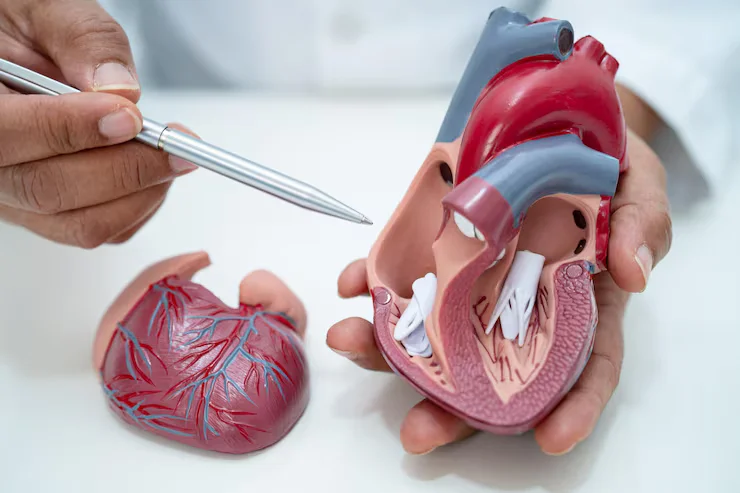
Heart Valve Disease: Understanding Valve Malfunctions in the Heart
Heart valve disease refers to any condition that involves the dysfunction of one or more of the heart’s four valves: the mitral valve, aortic valve, tricuspid valve, and pulmonary valve. These valves ensure blood flows in the correct direction through the heart chambers. When they become damaged or diseased, they may either become too narrow (stenosis) or leak (regurgitation), causing blood flow problems that can affect overall heart function.
Heart valve disease can range from mild to severe and may cause symptoms such as fatigue, shortness of breath, or chest pain. In severe cases, it may lead to heart failure or stroke.
Why is Heart Valve Disease Important?
Heart valve disease is important to diagnose and treat because:
- Impaired Blood Flow: Valve dysfunction can lead to improper blood flow, causing the heart to work harder and increasing the risk of heart failure.
- Potential for Stroke: In certain types of valve disease, such as mitral valve disease, blood clots can form and travel to the brain, causing a stroke.
- Progressive Complications: If left untreated, heart valve disease can worsen, leading to serious complications such as arrhythmias, heart failure, or other life-threatening conditions.
- Impact on Quality of Life: Symptoms like shortness of breath, fatigue, and dizziness can severely impact a person’s quality of life.
Types of Heart Valve Disease
- Aortic Valve Stenosis: The aortic valve becomes narrowed, preventing proper blood flow from the heart to the rest of the body.
- Mitral Valve Prolapse: The mitral valve does not close properly, which can lead to blood leaking backward into the left atrium (mitral regurgitation).
- Tricuspid Valve Disease: This occurs when the tricuspid valve, which controls blood flow between the right atrium and right ventricle, either doesn’t open enough (stenosis) or leaks (regurgitation).
- Pulmonary Valve Disease: Involves problems with the pulmonary valve, which controls blood flow to the lungs, either through narrowing or leakage.
- Congenital Valve Disease: Some people are born with heart valve problems, such as aortic valve stenosis or a bicuspid aortic valve.
Causes and Risk Factors for Heart Valve Disease
- Age: As people age, the heart valves may naturally deteriorate, leading to stenosis or regurgitation.
- Atherosclerosis: The buildup of plaque in the arteries can affect the valves and restrict blood flow.
- Infections: Endocarditis, an infection of the heart’s inner lining, can damage the valves, causing them to leak.
- Rheumatic Fever: A complication of untreated strep throat that can cause scarring and narrowing of the heart valves.
- Congenital Defects: Some individuals are born with heart valve problems, such as a bicuspid aortic valve, which is more likely to develop stenosis later in life.
- High Blood Pressure and Diabetes: These conditions can increase the risk of developing heart valve disease.
- Injury or Trauma: Injury to the heart, such as from a heart attack or surgery, can damage the heart valves.
Symptoms of Heart Valve Disease
- Shortness of Breath: Difficulty breathing, especially with physical activity or while lying down.
- Fatigue: Feeling unusually tired or weak, even with minimal effort.
- Chest Pain or Discomfort: Pain or a feeling of tightness in the chest, often associated with exertion.
- Swelling: Fluid retention causing swelling in the legs, ankles, or abdomen.
- Dizziness or Fainting: A feeling of lightheadedness or sudden loss of consciousness, especially with physical activity.
- Heart Palpitations: Abnormal heart rhythms that can cause a fluttering or racing sensation in the chest.
Diagnosing Heart Valve Disease
- Physical Examination: The doctor listens for unusual heart sounds (murmurs) using a stethoscope, which may indicate a valve problem.
- Echocardiogram: The most common test, which uses sound waves to create detailed images of the heart valves and chambers.
- Electrocardiogram (ECG): Measures the heart’s electrical activity and can help detect abnormal rhythms or changes caused by valve disease.
- Chest X-ray: Used to check the size of the heart and detect any fluid buildup in the lungs.
- Cardiac MRI: Provides detailed images of the heart and its valves to assess their structure and function.
- Cardiac Catheterization: Invasive procedure where a catheter is inserted into the heart to assess the heart valves and measure pressure changes in the heart chambers.
Treatment Options for Heart Valve Disease
- Medications:
- Diuretics: Help reduce fluid buildup and relieve symptoms like swelling and shortness of breath.
- Blood Pressure Medications: Control high blood pressure, which can worsen valve disease.
- Anticoagulants: Blood thinners to reduce the risk of blood clots, especially in those with valve regurgitation.
- Surgical Repair: Some valve issues can be repaired through surgery, particularly in cases of mitral valve prolapse or aortic valve regurgitation.
- Valve Replacement: When a valve cannot be repaired, it may need to be replaced with a mechanical or biological valve. This may be done through open-heart surgery or minimally invasive methods.
- Balloon Valvuloplasty: A minimally invasive procedure used to treat valve stenosis, where a balloon is inflated to open up the narrowed valve.
- Lifestyle Modifications: Controlling risk factors like high blood pressure, cholesterol, and diabetes, along with adopting a healthy diet, regular exercise, and avoiding smoking.
Preventing Heart Valve Disease
- Manage Blood Pressure: Regularly monitor and control blood pressure to reduce strain on the heart valves.
- Control Cholesterol: Maintain healthy cholesterol levels through diet, exercise, and medications if necessary.
- Regular Exercise: Engaging in physical activity strengthens the heart and improves circulation.
- Healthy Diet: Eating a balanced diet low in sodium and high in fruits, vegetables, and whole grains helps support heart health.
- Avoid Smoking: Smoking damages blood vessels and increases the risk of atherosclerosis and valve disease.
- Routine Check-ups: Regular visits to the doctor to monitor heart health, especially for those at risk due to age, genetics, or underlying conditions.
Why Choose Dr. Gnanadev N C for Heart Valve Disease Treatment?
Dr. Gnanadev N C is experienced in diagnosing and treating all forms of heart valve disease. With a comprehensive approach to diagnosis, treatment, and ongoing care, Dr. Gnanadev provides personalized solutions for managing heart valve conditions, ranging from medication and lifestyle changes to advanced surgical interventions. You will receive expert care tailored to your needs, helping to improve your heart health and quality of life.