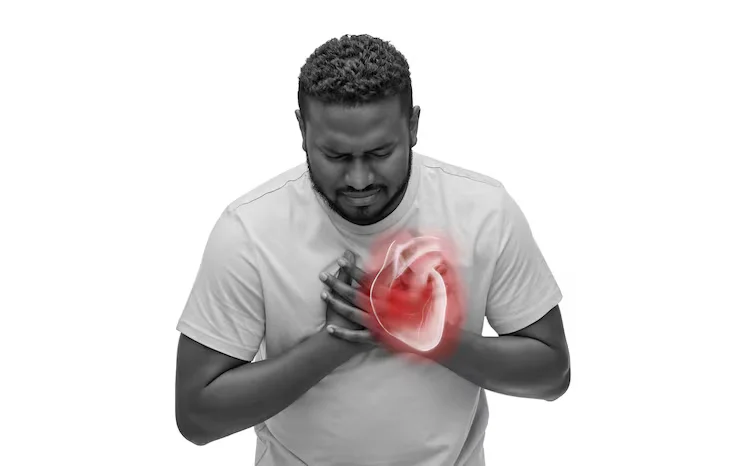
Heart Failure: Understanding the Inability of the Heart to Pump Blood Effectively
Heart failure, also known as congestive heart failure (CHF), is a condition in which the heart is unable to pump enough blood to meet the body’s needs. This can result from damage to the heart muscle due to a variety of causes, such as coronary artery disease, high blood pressure, or heart valve problems. Over time, the heart weakens, leading to a decreased ability to circulate blood efficiently, which can affect organs and tissues throughout the body.
While heart failure is a serious condition, it can be managed with the right treatments and lifestyle changes to improve quality of life and reduce symptoms.
Why is Heart Failure Important?
Heart failure is important to diagnose and manage because:
- Impaired Blood Flow: The heart is unable to pump sufficient blood to vital organs, leading to organ dysfunction and fluid retention.
- Risk of Complications: If untreated, heart failure can result in complications such as kidney damage, arrhythmias, and stroke.
- Reduced Quality of Life: Symptoms like fatigue, shortness of breath, and fluid retention can severely affect daily activities and overall well-being.
- Progressive Condition: Heart failure is often a chronic condition that worsens over time, making early diagnosis and ongoing treatment crucial to managing symptoms and improving outcomes.
Causes and Risk Factors for Heart Failure
- Coronary Artery Disease: Blockages in the arteries that supply blood to the heart can weaken the heart muscle over time.
- High Blood Pressure: Chronic hypertension puts strain on the heart, leading to thickening and stiffening of the heart muscle, contributing to heart failure.
- Heart Valve Disease: Damaged or malfunctioning heart valves can impair blood flow and lead to heart failure.
- Heart Attack: A heart attack can damage the heart muscle, reducing its ability to pump blood effectively.
- Cardiomyopathy: A disease of the heart muscle that can cause the heart to become enlarged or stiff, leading to heart failure.
- Arrhythmias: Abnormal heart rhythms can contribute to heart failure by affecting the heart’s ability to pump blood efficiently.
- Congenital Heart Disease: Some people are born with structural heart defects that can increase the risk of developing heart failure.
- Other Conditions: Conditions like diabetes, obesity, and thyroid disorders can increase the risk of heart failure by contributing to underlying heart disease.
Symptoms of Heart Failure
- Shortness of Breath: Difficulty breathing, especially during physical activity or while lying down.
- Fatigue: Unusual tiredness or weakness, even with minimal effort, due to the heart’s inability to supply adequate oxygen and nutrients to the body.
- Swelling (Edema): Fluid retention causing swelling in the legs, ankles, feet, or abdomen.
- Rapid or Irregular Heartbeat: A feeling of a fast or irregular heartbeat, which may be a sign of arrhythmias.
- Coughing or Wheezing: Persistent cough, especially when lying flat, and wheezing due to fluid buildup in the lungs.
- Difficulty Lying Flat: Shortness of breath when lying flat, which may require sleeping with your head elevated to ease breathing.
- Loss of Appetite: A feeling of fullness or lack of appetite due to fluid buildup and reduced blood flow to the digestive system.
- Nausea or Abdominal Pain: Digestive discomfort from fluid retention affecting the liver or intestines.
Diagnosing Heart Failure
- Physical Examination: The doctor will check for signs of swelling, abnormal heart sounds, and lung congestion that may indicate heart failure.
- Electrocardiogram (ECG or EKG): Measures the electrical activity of the heart to detect arrhythmias or signs of previous heart attacks.
- Echocardiogram: An ultrasound of the heart to assess heart function, valve function, and the size of the heart chambers.
- Chest X-ray: Used to check for fluid buildup in the lungs and assess the size of the heart.
- Blood Tests: To check for markers of heart failure, such as BNP (B-type natriuretic peptide), and assess kidney function, electrolytes, and other factors.
- Stress Test: To evaluate how well the heart responds to physical activity and to assess heart function under exertion.
- Cardiac MRI or CT Scan: Advanced imaging techniques to evaluate the heart’s structure and function in more detail.
- Cardiac Catheterization: An invasive test where a catheter is inserted into the heart to measure pressures inside the heart and check for blockages.
Treatment Options for Heart Failure
- Medications:
- Angiotensin-Converting Enzyme (ACE) Inhibitors: Help relax blood vessels, reduce blood pressure, and improve blood flow, reducing the workload on the heart.
- Angiotensin II Receptor Blockers (ARBs): Similar to ACE inhibitors, ARBs help lower blood pressure and prevent further damage to the heart.
- Beta-Blockers: Reduce the heart rate and blood pressure, which helps improve heart function and reduce the risk of arrhythmias.
- Diuretics: Help reduce fluid retention and swelling by increasing urine output.
- Aldosterone Antagonists: Reduce fluid retention and help improve heart function in patients with severe heart failure.
- Digoxin: A medication that helps the heart pump more effectively by increasing the force of contraction.
- Lifestyle Modifications:
- Dietary Changes: Reducing sodium intake, managing fluid intake, and following a heart-healthy diet can help manage heart failure symptoms.
- Exercise: Regular physical activity, as recommended by a healthcare provider, can strengthen the heart and improve circulation.
- Weight Management: Maintaining a healthy weight reduces the strain on the heart and helps control blood pressure and cholesterol levels.
- Quitting Smoking: Smoking cessation is crucial for improving heart health and reducing the risk of further damage to the heart.
- Advanced Treatments:
- Implantable Devices: Devices such as pacemakers or Implantable Cardioverter Defibrillators (ICDs) can regulate heart rhythms and prevent sudden cardiac arrest.
- Left Ventricular Assist Device (LVAD): A mechanical pump used to help the heart pump blood in advanced heart failure cases.
- Heart Transplant: In severe cases where heart failure is not manageable with other treatments, a heart transplant may be considered.
Preventing Heart Failure
- Manage Risk Factors: Control conditions like high blood pressure, diabetes, and high cholesterol to reduce the risk of heart failure.
- Healthy Lifestyle: Adopt a heart-healthy diet, engage in regular exercise, avoid smoking, and limit alcohol consumption.
- Regular Check-ups: Routine visits to the doctor for monitoring heart health, especially if you have a family history of heart disease or other risk factors.
- Monitor Symptoms: Pay attention to symptoms like shortness of breath, fatigue, or swelling, and seek medical advice if they worsen.
Why Choose Dr. Gnanadev N C for Heart Failure Treatment?
Dr. Gnanadev N C specializes in the diagnosis, treatment, and management of heart failure. With a comprehensive approach that includes medications, lifestyle modifications, and advanced treatments such as implantable devices and heart surgery, Dr. Gnanadev provides expert care to improve heart function and enhance quality of life. Whether you are managing early-stage heart failure or need advanced interventions, you can rely on Dr. Gnanadev for personalized care and support every step of the way.