
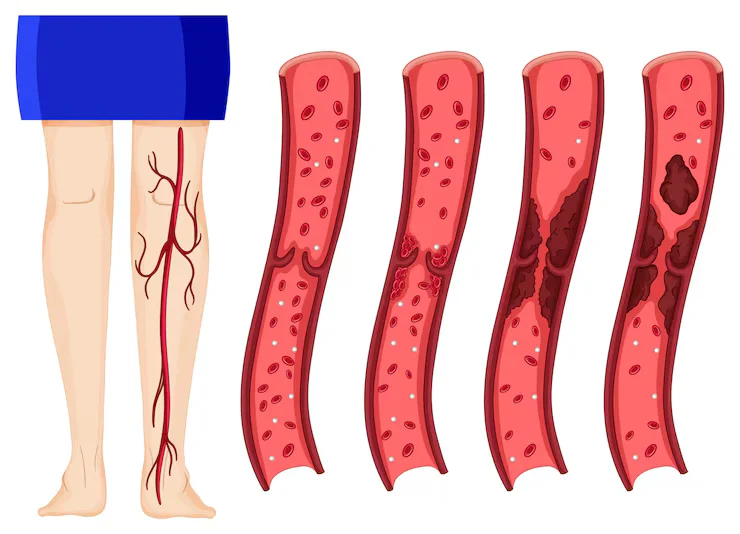
Acute and Chronic Limb Ischemia

Acute and Chronic Limb Ischemia: Understanding Reduced Blood Flow to the Extremities

Acute and chronic limb ischemia are conditions that involve reduced blood flow to the limbs, leading to insufficient oxygen and nutrient supply to the tissues. Both conditions are serious and can result in severe complications, including tissue damage, gangrene, or even amputation if left untreated.

  • Acute Limb Ischemia (ALI) refers to a sudden reduction in blood flow, typically due to a blockage in a major artery. This is a medical emergency and requires immediate attention.
  • Chronic Limb Ischemia (CLI) is a long-term condition that results from the gradual narrowing or hardening of the arteries, often due to atherosclerosis.
Why is Acute and Chronic Limb Ischemia Important?

These conditions are important to diagnose and manage because:

  • Acute Limb Ischemia is a medical emergency that can lead to irreversible tissue damage or loss of limb function if not treated promptly.
  • Chronic Limb Ischemia can significantly impair mobility and quality of life, causing pain, ulcers, and even disability over time.
  • Both conditions are associated with other health issues, such as heart disease, diabetes, and hypertension, which may require concurrent management.
Causes and Risk Factors for Acute and Chronic Limb Ischemia
  • Atherosclerosis: The buildup of plaque in the arteries that narrows blood vessels, common in chronic ischemia.
  • Blood Clots (Embolism): These can suddenly block an artery, leading to acute ischemia.
  • Trauma or Injury: Physical damage to an artery can result in a sudden loss of blood flow to the limb.
  • Vasculitis: Inflammation of blood vessels that can affect blood circulation.
  • Diabetes: Increases the risk of both acute and chronic ischemia due to poor circulation and blood vessel damage.
  • High Cholesterol and Hypertension: Contribute to the development of atherosclerosis, a major risk factor for both acute and chronic ischemia.
Symptoms of Acute and Chronic Limb Ischemia
  • Acute Limb Ischemia (ALI):
    • Sudden pain in the affected limb
    • Coldness, numbness, or weakness in the limb
    • Pale or bluish skin color
    • Loss of pulse in the affected area
    • Sudden inability to move the limb
  • Chronic Limb Ischemia (CLI):
    • Persistent pain in the legs, especially while walking (intermittent claudication)
    • Leg cramps or discomfort during physical activity
    • Skin changes, such as pallor or shiny skin
    • Sores or ulcers on the feet or legs that do not heal
    • Weak or absent pulses in the legs or feet
    • Hair loss on the legs or feet
Diagnosing Acute and Chronic Limb Ischemia

Diagnosis of acute and chronic limb ischemia may involve the following tests:

  • Physical Examination: Checking for symptoms such as color changes, pulses, and movement limitations in the affected limbs.
  • Ankle-Brachial Index (ABI): A non-invasive test that compares the blood pressure in the ankle with that in the arm to assess blood flow.
  • Doppler Ultrasound: A test that uses sound waves to create images of blood flow in the arteries and veins.
  • Angiography: A more detailed imaging test that uses a special dye and X-rays to identify blockages in blood vessels.
  • CT or MR Angiography: These advanced imaging techniques provide detailed images of the blood vessels.
Treatment Options for Acute and Chronic Limb Ischemia
  • Acute Limb Ischemia (ALI):
    • Emergency Surgery: To remove the clot or bypass the blocked artery.
    • Thrombolysis: Use of medications to dissolve blood clots.
    • Endovascular Procedures: Techniques like balloon angioplasty or stent placement to restore blood flow.
  • Chronic Limb Ischemia (CLI):
    • Lifestyle Modifications: Smoking cessation, dietary changes, and exercise to improve circulation.
    • Medications: Blood thinners, antiplatelet drugs, and medications to control underlying conditions like diabetes and hypertension.
    • Surgical Bypass: Re-routing blood flow around the blocked artery using grafts.
    • Angioplasty and Stenting: Minimally invasive procedures to open blocked arteries.
    • Amputation: In severe cases where the tissue has died and cannot be saved.
Preventing Acute and Chronic Limb Ischemia
  • Control risk factors: Manage cholesterol, blood pressure, and diabetes.
  • Adopt a healthy lifestyle: Quit smoking, maintain a healthy weight, and engage in regular physical activity.
  • Regular screenings: For those at risk, especially diabetics or individuals with cardiovascular diseases, regular screenings for blood flow and circulation are essential.
  • Healthy diet: Eating a heart-healthy diet low in saturated fats and high in fruits, vegetables, and whole grains.
Why Choose Dr. Gnanadev N C for Limb Ischemia Evaluation and Treatment?

Dr. Gnanadev N C is highly skilled in diagnosing and treating both acute and chronic limb ischemia. With expertise in advanced diagnostic techniques and a comprehensive approach to treatment, Dr. Gnanadev offers tailored solutions to improve blood flow, relieve symptoms, and prevent severe complications such as limb loss. Whether for emergency care or long-term management, you can trust Dr. Gnanadev for expert, compassionate care every step of the way.

Get in Touch for Expert Heart Care

Contact us for timely diagnosis, expert guidance, and compassionate heart care.