Coronary Angioplasty (Primary and Elective PCI): Restoring Blood Flow to the Heart
Coronary angioplasty, also known as percutaneous coronary intervention (PCI), is a procedure used to open up blocked or narrowed coronary arteries to restore proper blood flow to the heart. This procedure is performed to treat coronary artery disease (CAD), where plaque buildup in the arteries restricts blood flow, leading to chest pain (angina) or an increased risk of heart attack.
There are two types of angioplasty procedures: primary PCI and elective PCI. Primary PCI is performed as an emergency treatment during a heart attack, while elective PCI is a planned procedure for patients with chronic symptoms of CAD.
Why is Coronary Angioplasty Important?
Coronary angioplasty is important because:
- Restores Blood Flow: It opens blocked arteries, allowing oxygen-rich blood to reach the heart muscle, which is crucial for heart function.
- Reduces Heart Attack Risk: By reopening narrowed or blocked arteries, PCI helps prevent heart attacks and further damage to the heart.
- Alleviates Symptoms: The procedure relieves symptoms of angina (chest pain), improving quality of life by reducing discomfort during physical activity or stress.
- Prevents Long-Term Damage: Timely PCI treatment can prevent long-term heart muscle damage caused by chronic low blood supply or an acute heart attack.
Primary PCI (Emergency Treatment for Heart Attack)
Primary PCI is the preferred method for treating patients experiencing an acute myocardial infarction (heart attack), particularly if it is performed within 90 minutes of symptom onset. This procedure is a life-saving intervention aimed at quickly restoring blood flow to the heart muscle and preventing further damage during a heart attack.
Indications for Primary PCI:
- ST-Elevation Myocardial Infarction (STEMI): A type of heart attack characterized by a large area of the heart muscle being deprived of oxygen due to a complete blockage of a coronary artery.
- Unstable Angina: Severe chest pain that occurs unpredictably and signals a high risk of a heart attack.
Elective PCI (Planned Procedure for Chronic Coronary Artery Disease)
Elective PCI is a planned procedure used to treat patients with stable coronary artery disease (CAD) who have persistent symptoms such as chest pain or shortness of breath despite medical therapy. This procedure is not an emergency but is done to improve the quality of life and prevent future heart attacks.
Indications for Elective PCI:
- Chronic Stable Angina: Recurrent chest pain that occurs with exertion and is relieved with rest or medication.
- Narrowed Coronary Arteries: When atherosclerosis (plaque buildup) significantly narrows the coronary arteries, causing reduced blood flow to the heart muscle.
- Poor Response to Medications: When lifestyle changes and medications are not effective in controlling symptoms or preventing complications.
How is Coronary Angioplasty Performed?
- Preparation: The patient is given a mild sedative and local anesthesia at the insertion site, typically in the groin or wrist, where a catheter will be inserted.
- Catheter Insertion: A thin, flexible tube (catheter) is inserted through the artery and guided to the coronary arteries using live X-ray imaging (fluoroscopy).
- Angiography: A contrast dye is injected through the catheter into the coronary arteries, allowing the doctor to view blockages or narrowing in the arteries on an X-ray screen.
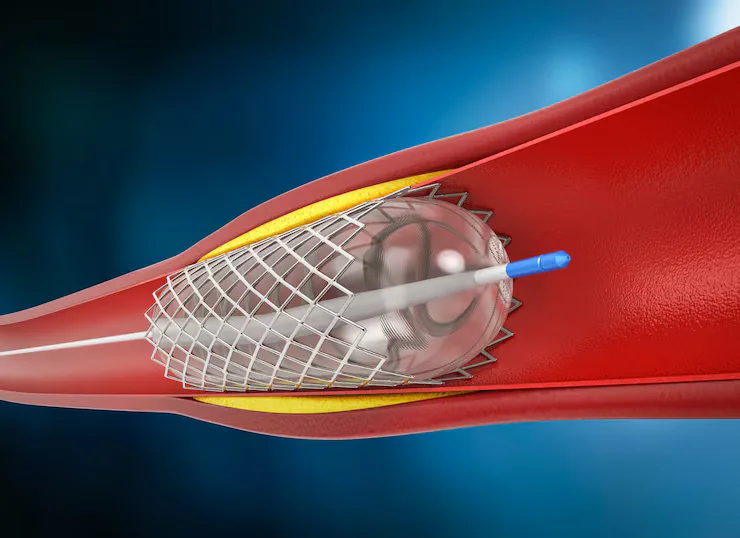
- Balloon Angioplasty: In the case of blockages, a balloon at the tip of the catheter is inflated to push the plaque against the artery walls, widening the artery and improving blood flow.
- Stent Placement: In most cases, a stent (a small mesh tube) is placed to keep the artery open after balloon angioplasty. This helps prevent the artery from narrowing again (restenosis).
- Post-Procedure Monitoring: After the procedure, patients are monitored for a few hours to ensure there are no complications, and the catheter insertion site is checked for bleeding.
Risks and Complications of Coronary Angioplasty
While coronary angioplasty is generally safe, there are some potential risks, including:
- Bleeding: At the insertion site or internally, especially if blood thinners are used.
- Blood Clots: Clots can form inside the coronary artery or stent, leading to a possible heart attack or stroke.
- Arrhythmias: Abnormal heart rhythms, particularly after stent placement or during balloon inflation.
- Artery Dissection: The artery wall may tear during the procedure, which can lead to further complications.
- Infection: A risk of infection at the catheter insertion site.
- Kidney Damage: The contrast dye used during the procedure can sometimes affect kidney function, particularly in patients with pre-existing kidney issues.
Post-Procedure Care for Coronary Angioplasty
After a coronary angioplasty procedure, patients typically need to follow specific care instructions:
- Medications: Patients will be prescribed medications like aspirin or clopidogrel (antiplatelet drugs) to prevent clot formation and ensure the stent remains open.
- Lifestyle Modifications: A heart-healthy diet, regular physical activity, and smoking cessation are important to reduce the risk of future blockages and improve overall heart health.
- Follow-Up Appointments: Regular check-ups with the cardiologist to monitor heart function, medication effectiveness, and lifestyle changes.
- Monitoring for Complications: Patients should report any signs of chest pain, shortness of breath, swelling, or unusual bruising to their doctor immediately.
Preventing the Need for Future Angioplasty
To reduce the likelihood of future coronary artery blockages or the need for repeated angioplasty procedures:
- Manage Risk Factors: Control blood pressure, cholesterol, and blood sugar levels through lifestyle changes and medications.
- Healthy Diet: A diet low in saturated fats, cholesterol, and sodium while rich in fruits, vegetables, and whole grains helps prevent atherosclerosis.
- Regular Exercise: Physical activity strengthens the heart and improves circulation, which helps prevent future heart disease.
- Weight Management: Maintaining a healthy weight reduces the strain on the heart and helps control risk factors like high blood pressure and cholesterol.
- Smoking Cessation: Quitting smoking improves blood vessel health and reduces the risk of heart disease and blockages.
Why Choose Dr. Gnanadev N C for Coronary Angioplasty & PCI?
Dr. Gnanadev N C specializes in the diagnosis and treatment of coronary artery disease, offering advanced options for coronary angioplasty (PCI) and heart health management. With a focus on personalized care, Dr. Gnanadev helps patients navigate the best treatment approach, whether that involves primary PCI for emergency heart attack treatment or elective PCI for long-term management of coronary artery disease. Through cutting-edge techniques, including stent placement and advanced cardiac care, you will receive expert, compassionate treatment every step of the way.