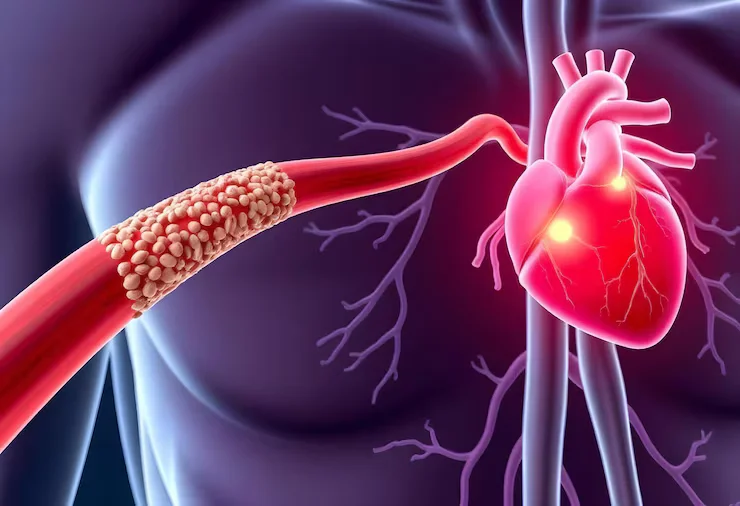
Rotational Atherectomy / Orbital Atherectomy / IVL Guided Coronary Angioplasty: Advanced Techniques for Treating Complex Coronary Artery Disease
Rotational atherectomy, orbital atherectomy, and intravascular lithotripsy (IVL) are advanced techniques used in coronary angioplasty (PCI) to treat complex coronary artery disease (CAD), particularly when the arteries are heavily calcified or have long, difficult-to-treat lesions. These methods use specialized tools to break down and remove plaque or calcium buildup in the arteries, making it easier to open the vessel and place a stent to restore blood flow.
These techniques are particularly useful in patients with challenging anatomy, where traditional balloon angioplasty may not be effective or safe.
Why Are These Advanced Techniques Important?
These advanced techniques are critical because:
- Treatment of Heavily Calcified Lesions: In patients with significant calcium buildup, these techniques help modify the plaque to enable more successful stent placement.
- Improved Stent Expansion: By removing or modifying the plaque, these techniques ensure better stent expansion, reducing the risk of restenosis (re-narrowing of the artery).
- Increased Success in Complex Cases: For patients with long lesions, bifurcation lesions, or difficult-to-treat blockages, these techniques offer solutions that traditional angioplasty cannot achieve.
- Reduced Risk of Complications: By effectively preparing the artery, these methods reduce the risk of artery dissection, perforation, or stent failure.
Indications for Rotational Atherectomy, Orbital Atherectomy, and IVL Guided Angioplasty
These advanced angioplasty techniques may be recommended for patients with:
- Heavily Calcified Lesions: Plaque buildup with significant calcium deposits in the artery walls that cannot be treated effectively with traditional balloon angioplasty.
- Long or Complex Lesions: Blockages that span long sections of the artery or are located in difficult-to-access areas.
- Bifurcation Lesions: Blockages at the branch points of coronary arteries, requiring precise stent placement and careful plaque modification.
- Failed Balloon Angioplasty: When traditional angioplasty and stenting are unsuccessful in treating the blockage.
- High Risk of Restenosis: Patients with a high risk of re-narrowing after traditional angioplasty, due to challenging plaque characteristics.
How Do These Techniques Work?
- Rotational Atherectomy:
- Procedure: A high-speed, diamond-coated burr is attached to a catheter and rotated at high speeds to grind down and remove the plaque in the artery. This is particularly effective in treating calcified plaque.
- Mechanism: The rotating burr “ablates” the plaque, breaking it into smaller pieces that are easier to compress and remove with a balloon or stent.
- Indications: Typically used for heavily calcified lesions, especially those that cannot be treated by balloon angioplasty alone.
- Orbital Atherectomy:
- Procedure: An orbital atherectomy device consists of a small diamond-coated crown that moves in an orbital motion to grind away plaque and calcium. The device is moved in a back-and-forth motion across the lesion, helping to remove plaque and open up the artery.
- Mechanism: The orbital motion allows the device to treat both soft and calcified plaque more effectively than traditional methods.
- Indications: Useful in treating long lesions or heavily calcified coronary arteries that may not respond to balloon angioplasty.
- Intravascular Lithotripsy (IVL):
- Procedure: IVL uses high-energy sound waves (shockwaves) delivered via a catheter to break down calcium in the plaque. The shockwaves are targeted at the calcium deposits, cracking and fragmenting the plaque without damaging the surrounding healthy tissue.
- Mechanism: The shockwaves disrupt the calcium, making it easier to expand the artery using a balloon and place a stent to keep the artery open.
- Indications: IVL is particularly effective in cases of severe calcification that are resistant to balloon angioplasty and traditional atherectomy techniques.
Benefits of Rotational Atherectomy, Orbital Atherectomy, and IVL Guided Coronary Angioplasty
- Effective Treatment of Complex Lesions: These advanced techniques allow for the treatment of coronary artery disease that cannot be managed with traditional angioplasty alone.
- Improved Stent Deployment: By removing plaque and modifying the artery, these techniques ensure optimal stent placement and reduce the risk of restenosis.
- Minimized Artery Damage: These methods reduce the risk of artery damage or dissection by preparing the vessel for stenting, ensuring safer outcomes.
- Higher Success Rates: In complex coronary cases, these techniques increase the likelihood of achieving optimal results and reducing the need for repeat interventions.
Risks and Complications of Advanced Angioplasty Techniques
While these advanced techniques are effective, they carry some potential risks and complications:
- Vessel Injury: There is a small risk of damaging the artery during atherectomy or IVL, which can lead to vessel perforation or dissection.
- Embolization: Small fragments of plaque or calcium can break off and travel to smaller vessels, potentially causing blockages or embolism in distant organs, including the brain.
- Bleeding: As with any invasive procedure, there is a risk of bleeding at the catheter insertion site or internally.
- Contrast Dye Reactions: The contrast dye used during angioplasty can cause allergic reactions or kidney damage in susceptible individuals.
- Stent Thrombosis: There is a risk of blood clot formation inside the stent, which can lead to a heart attack or stroke if not properly managed with anticoagulants.
- Infection: Any invasive procedure carries the risk of infection at the catheter insertion site.
Post-Procedure Care for Rotational Atherectomy, Orbital Atherectomy, and IVL Guided Coronary Angioplasty
After these procedures, patients are typically monitored for several hours in the hospital for complications, including bleeding or infection. Post-procedure care may include:
- Medications:
- Antiplatelet Drugs: Patients will be prescribed aspirin and/or clopidogrel to prevent blood clots from forming around the stent.
- Anticoagulants: In some cases, additional blood thinners may be prescribed to reduce the risk of clot formation.
- Lifestyle Modifications: A heart-healthy diet, regular exercise, and smoking cessation are essential for long-term success and preventing future blockages.
- Follow-Up Appointments: Regular visits to the cardiologist to monitor heart function, adjust medications, and ensure the stent remains patent.
- Gradual Resumption of Activity: Physical activity should be gradually reintroduced under the guidance of a healthcare provider.
Preventing Coronary Artery Disease and the Need for Future Angioplasty
- Manage Risk Factors: Keep blood pressure, cholesterol, and blood sugar under control through lifestyle changes and medications.
- Healthy Diet: A balanced diet low in saturated fats, salt, and cholesterol can help reduce plaque buildup in the arteries.
- Exercise Regularly: Regular physical activity helps improve heart health and reduce the risk of atherosclerosis.
- Quit Smoking: Smoking cessation is one of the most important steps to improve heart health and reduce the risk of CAD.
- Regular Health Screenings: Routine check-ups to monitor heart health, cholesterol levels, and blood pressure can help detect problems early and prevent complications.
Why Choose Dr. Gnanadev N C for Advanced Coronary Angioplasty?
Dr. Gnanadev N C specializes in complex coronary angioplasty and advanced techniques like rotational atherectomy, orbital atherectomy, and IVL-guided angioplasty. With extensive experience in treating complex coronary artery disease, Dr. Gnanadev provides personalized care and uses the latest technologies to achieve the best outcomes. Whether you need a routine angioplasty or an advanced intervention for difficult lesions, you can trust Dr. Gnanadev for expert, compassionate care every step of the way.