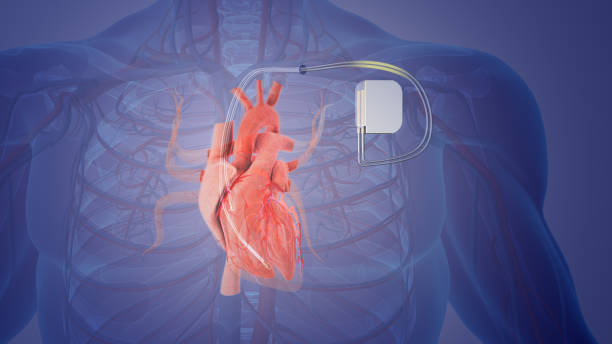
Pacemaker Implantation: Restoring Normal Heart Rhythm
A pacemaker is a small medical device implanted under the skin to help regulate the heart’s rhythm. It is used to treat individuals with bradycardia (slow heart rate), heart block, or other arrhythmias where the heart fails to beat at a normal rate or rhythm. The pacemaker sends electrical impulses to stimulate the heart to beat at an appropriate rate, ensuring that the body receives adequate blood and oxygen supply.
Pacemaker implantation is a common and generally safe procedure, aimed at improving heart function and reducing symptoms associated with irregular heartbeats, such as fatigue, dizziness, and fainting.
Why is Pacemaker Implantation Important?
Pacemaker implantation is essential for patients who experience:
- Slow Heart Rate (Bradycardia): When the heart beats too slowly to pump sufficient blood to the body, leading to symptoms like dizziness, fatigue, and fainting.
- Heart Block: A condition where electrical signals in the heart are delayed or blocked, preventing the heart from beating normally.
- Arrhythmias: Abnormal heart rhythms that cause symptoms such as palpitations, fatigue, and shortness of breath.
- Improved Quality of Life: By regulating the heart’s rhythm, pacemaker implantation helps patients lead a more active and healthy life without the limitations caused by irregular heartbeats.
- Prevention of Serious Complications: A pacemaker can prevent complications like fainting, stroke, or heart failure associated with severe bradycardia or heart block.
Indications for Pacemaker Implantation
Pacemaker implantation is recommended for patients with:
- Symptomatic Bradycardia: When the heart rate is too slow (usually less than 60 beats per minute) and causes symptoms such as dizziness, fatigue, or fainting.
- Heart Block: Particularly second-degree or third-degree heart block, where the electrical signals between the heart’s chambers are delayed or blocked.
- Atrial Fibrillation (AF): In patients with AF and slow ventricular response, where the heart rate is irregular and too slow to maintain adequate circulation.
- Congenital Heart Conditions: Certain birth defects can cause electrical conduction problems in the heart, requiring a pacemaker for proper regulation of heart rhythm.
- Post-Cardiac Surgery: In some cases, a pacemaker is needed after heart surgery to regulate the heart’s rhythm if complications arise.
How is Pacemaker Implantation Performed?
The procedure for pacemaker implantation involves the following steps:
- Preparation: The patient is typically given a sedative and local anesthesia at the site of implantation (usually the upper chest, near the shoulder). The procedure is generally done in a specialized electrophysiology lab (EP lab).
- Insertion of the Pacemaker: A small incision is made near the collarbone, and a catheter is inserted into a vein. The catheter is guided through the vein to the heart, where the pacemaker leads (wires) are positioned in the heart chambers (right atrium and/or right ventricle).
- Placement of the Pacemaker: The pacemaker device, which is about the size of a matchbox, is then implanted under the skin, typically just below the collarbone. The device is connected to the leads to regulate the heart’s rhythm.
- Testing and Programming: After implantation, the pacemaker is tested to ensure proper functioning. It is then programmed to monitor and correct the heart rate as needed.
- Post-Procedure Care: Once the pacemaker is implanted and functioning properly, the incision is closed, and the patient is monitored for a few hours before discharge.
Risks and Complications of Pacemaker Implantation
Although pacemaker implantation is generally safe, there are some potential risks and complications, including:
- Infection: There is a risk of infection at the incision site or around the pacemaker.
- Bleeding or Hematoma: Bleeding may occur at the insertion site, especially if the blood vessels are punctured.
- Lead Dislodgement: The leads that connect the pacemaker to the heart can sometimes become dislodged, requiring repositioning or re-implantation.
- Arrhythmias: The pacemaker may cause or fail to correct certain types of arrhythmias, which might require further adjustment or treatment.
- Damage to Blood Vessels: The insertion of the catheter or pacemaker leads can sometimes cause damage to the blood vessels.
- Device Malfunction: Although rare, the pacemaker or its leads may malfunction, requiring repair or replacement.
Post-Procedure Care for Pacemaker Implantation
After the pacemaker is implanted, the following care is generally required:
- Monitoring: The patient is monitored for a few hours in the hospital to ensure that the pacemaker is working correctly and there are no immediate complications.
- Activity Restrictions: Patients are advised to avoid strenuous activity, heavy lifting, or raising the arm on the side of the pacemaker for a few weeks to allow proper healing.
- Wound Care: The incision site should be kept clean and dry to prevent infection, and the patient is typically given instructions on how to care for the wound.
- Regular Follow-up Appointments: The pacemaker’s function is checked during follow-up visits. The device settings may be adjusted to ensure optimal performance.
- Medication: Blood thinners or other medications may be prescribed to prevent blood clots around the pacemaker leads.
Preventing Complications After Pacemaker Implantation
To prevent complications after pacemaker implantation:
- Avoiding Strenuous Activity: It is important to avoid activities that could dislodge the pacemaker leads or cause strain on the heart immediately after the procedure.
- Regular Monitoring: Regular follow-up visits are necessary to check the pacemaker’s function, adjust settings, and ensure the device is working properly.
- Adhering to Medications: If prescribed, taking medications like blood thinners as directed can help reduce the risk of complications such as blood clots.
- Healthy Lifestyle: Maintaining a heart-healthy diet, engaging in moderate exercise, quitting smoking, and managing other health conditions (e.g., diabetes, hypertension) can help improve overall heart health.
Why Choose Dr. Gnanadev N C for Pacemaker Implantation?
Dr. Gnanadev N C specializes in the diagnosis and treatment of heart rhythm disorders, offering pacemaker implantation as a treatment for patients with bradycardia, heart block, and other arrhythmias. With a comprehensive approach to heart health and a focus on personalized care, Dr. Gnanadev provides expert pacemaker implantation services to improve heart function and enhance quality of life. Whether you need a routine pacemaker or a specialized device, you can rely on Dr. Gnanadev for compassionate and expert care every step of the way.