
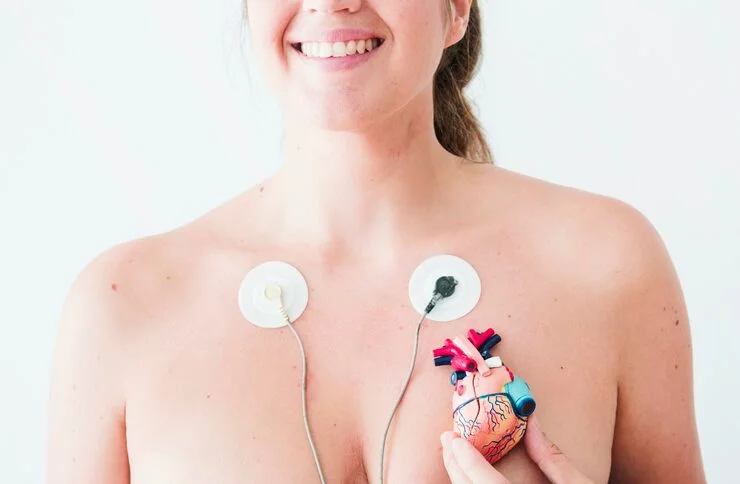
Implantable Cardioverter

Implantable Cardioverter Defibrillator (ICD): Advanced Device for Life-Saving Heart Rhythm Control

An Implantable Cardioverter Defibrillator (ICD) is a small, battery-powered medical device placed under the skin to monitor and regulate abnormal heart rhythms. It continuously tracks the heart’s electrical activity and delivers life-saving shocks when dangerous arrhythmias are detected.

ICDs are primarily used in patients at risk of sudden cardiac arrest due to severe heart rhythm disturbances such as ventricular tachycardia or ventricular fibrillation. This device plays a critical role in preventing life-threatening cardiac events.

Why is an Implantable Cardioverter Defibrillator Recommended?

An ICD may be recommended if you have:

  • History of life-threatening arrhythmias
  • Previous cardiac arrest or sudden cardiac arrest episode
  • Severe heart failure with reduced heart function
  • Cardiomyopathy (weakened heart muscle)
  • High risk of ventricular tachycardia or ventricular fibrillation
  • Genetic heart conditions associated with abnormal rhythms
  • Unexplained fainting episodes linked to heart rhythm issues
Conditions Managed with ICD
  • Ventricular Tachycardia (VT): A dangerously fast heart rhythm originating from the ventricles
  • Ventricular Fibrillation (VF): A chaotic heart rhythm that can lead to sudden cardiac arrest
  • Heart Failure: In certain cases, ICDs are used along with cardiac resynchronization therapy
  • Inherited Arrhythmia Syndromes: Such as Long QT syndrome or Brugada syndrome
Types of ICD Devices
  • Single-Chamber ICD: Monitors and delivers therapy to one chamber of the heart
  • Dual-Chamber ICD: Monitors both atrium and ventricle for better rhythm control
  • Biventricular ICD (CRT-D): Used in heart failure patients to improve heart pumping efficiency
  • Subcutaneous ICD (S-ICD): Placed under the skin without leads inside the heart
What Happens During the Procedure?
  1. Preparation: The procedure is performed under local anesthesia with mild sedation
  2. Device Placement: A small incision is made near the chest, and leads are inserted into the heart through veins
  3. ICD Implantation: The device is placed under the skin and connected to the leads
  4. Testing: The ICD is tested to ensure proper functioning
  5. Recovery: The procedure usually takes 1–2 hours, and patients can resume normal activities gradually
Benefits of ICD
  • Provides continuous heart rhythm monitoring
  • Delivers immediate life-saving shocks during dangerous arrhythmias
  • Reduces the risk of sudden cardiac death
  • Improves long-term survival in high-risk patients
  • Works automatically without patient intervention
Living with an ICD
  • Regular follow-ups are required to check device function
  • Avoid strong electromagnetic fields that may interfere with the device
  • Inform healthcare providers about the ICD before any medical procedures
  • Most daily activities can be resumed after recovery
  • Carry an ICD identification card at all times
Why Choose Dr. Gnanadev N C for ICD Evaluation and Management?

Dr. Gnanadev N C offers expert evaluation and management for patients requiring Implantable Cardioverter Defibrillators. With extensive experience in advanced cardiac care, he ensures accurate diagnosis, proper device selection, and long-term monitoring. Patients receive personalized treatment plans, ensuring safety, improved quality of life, and protection against life-threatening heart rhythm disorders.

Get in Touch for Expert Heart Care

Contact us for timely diagnosis, expert guidance, and compassionate heart care.