
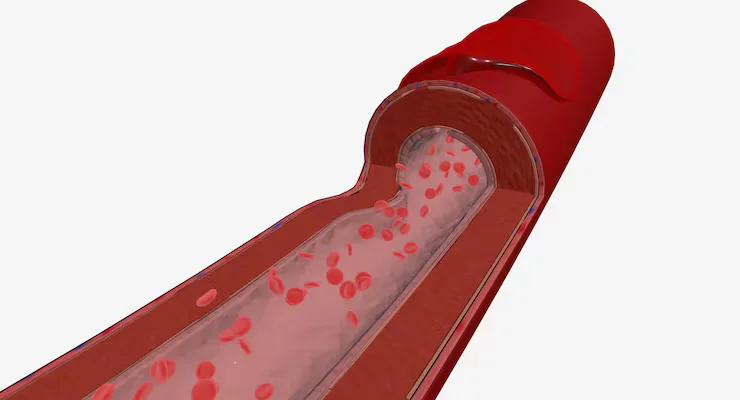
Catheter-Directed Thrombolysis for DVT & Pulmonary Embolism

Catheter-Directed Thrombolysis for DVT & Pulmonary Embolism: Targeted Treatment for Blood Clots

Catheter-Directed Thrombolysis (CDT) is an advanced, minimally invasive procedure used to dissolve blood clots in conditions like Deep Vein Thrombosis (DVT) and Pulmonary Embolism (PE). This technique delivers clot-dissolving medication directly to the site of the blockage through a catheter, ensuring faster and more effective treatment.

CDT is especially beneficial in severe cases where large clots obstruct blood flow and may lead to life-threatening complications.

Why is Catheter-Directed Thrombolysis Recommended?

This procedure may be recommended if you have:

  • Extensive or severe Deep Vein Thrombosis (DVT)
  • Pulmonary Embolism (PE) with significant symptoms
  • Severe leg pain, swelling, or discoloration due to DVT
  • Risk of long-term complications like post-thrombotic syndrome
  • Failure of standard anticoagulation therapy
  • High risk of clot progression or recurrence
Conditions Treated with Catheter-Directed Thrombolysis
  • Deep Vein Thrombosis (DVT): Blood clots in deep veins, usually in the legs
  • Pulmonary Embolism (PE): Clots that travel to the lungs and block blood flow
  • Iliofemoral DVT: Severe clot involving major veins in the pelvis and thigh
  • Massive or Submassive PE: Serious conditions requiring rapid clot removal
What Happens During the Procedure?
  1. Preparation: The procedure is performed under local anesthesia with imaging guidance
  2. Catheter Insertion: A thin catheter is inserted into a vein, usually in the leg or neck
  3. Clot Targeting: The catheter is guided to the site of the clot using imaging techniques
  4. Medication Delivery: Clot-dissolving drugs (thrombolytics) are delivered directly into the clot
  5. Monitoring: The clot is gradually dissolved over several hours to a day, with continuous monitoring
  6. Completion: The catheter is removed once adequate clot dissolution is achieved
Benefits of Catheter-Directed Thrombolysis
  • Targeted treatment with direct drug delivery to the clot
  • Faster and more effective clot dissolution
  • Reduced risk of long-term complications like post-thrombotic syndrome
  • Minimally invasive with quicker recovery
  • Helps restore normal blood flow and prevent organ damage
Risks and Considerations
  • Risk of bleeding due to thrombolytic medications
  • Infection or bruising at the catheter insertion site
  • Rare risk of stroke or embolization
  • Need for intensive monitoring during treatment
  • Not suitable for all patients, especially those with bleeding disorders
Recovery After Catheter-Directed Thrombolysis
  • Patients may need to stay in the hospital for monitoring
  • Blood-thinning medications are usually continued after the procedure
  • Compression stockings may be recommended for DVT patients
  • Regular follow-up is required to monitor recovery and prevent recurrence
  • Lifestyle modifications such as staying active and managing risk factors are essential
Why Choose Dr. Gnanadev N C for Catheter-Directed Thrombolysis?

Dr. Gnanadev N C specializes in advanced vascular and cardiac interventions, including catheter-directed thrombolysis for DVT and pulmonary embolism. With expertise in minimally invasive techniques, he ensures accurate diagnosis, precise treatment, and comprehensive patient care.

Patients benefit from faster clot resolution, reduced complications, and personalized treatment plans designed for long-term vascular health and recovery.

Get in Touch for Expert Heart Care

Contact us for timely diagnosis, expert guidance, and compassionate heart care.