
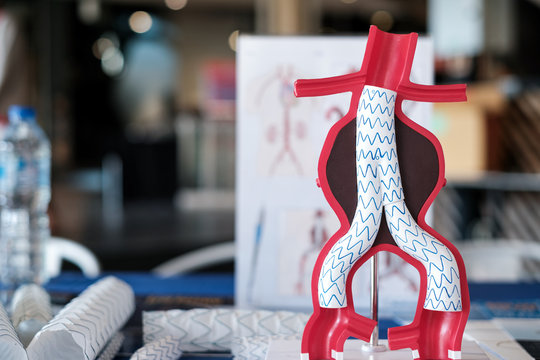
Endovascular Aneurysm Repair

Endovascular Aneurysm Repair (EVAR): Minimally Invasive Treatment for Aneurysms

Endovascular Aneurysm Repair (EVAR) is a minimally invasive procedure used to treat aneurysms, particularly in the aorta, the body’s largest blood vessel. An aneurysm is an abnormal bulging or weakening in the artery wall, which can rupture if left untreated and become life-threatening.

EVAR involves placing a stent graft inside the affected artery to reinforce the weakened area and prevent rupture. This advanced technique offers a safer alternative to traditional open surgery, especially for high-risk patients.

Why is Endovascular Aneurysm Repair Recommended?

EVAR may be recommended if you have:

  • A diagnosed aortic aneurysm (abdominal or thoracic)
  • Increasing size of the aneurysm over time
  • Risk of aneurysm rupture
  • Symptoms such as abdominal pain, back pain, or pulsating sensation
  • High surgical risk for open aneurysm repair
  • Family history or genetic conditions associated with aneurysms
Conditions Treated with EVAR
  • Abdominal Aortic Aneurysm (AAA): The most common type, occurring in the lower part of the aorta
  • Thoracic Aortic Aneurysm (TAA): Aneurysm in the upper part of the aorta
  • Iliac Artery Aneurysm: Enlargement of arteries in the pelvic region
  • Complex or High-Risk Aneurysms: Where open surgery is not suitable
What Happens During the Procedure?
  1. Preparation: The procedure is usually performed under local or general anesthesia
  2. Catheter Insertion: A small incision is made in the groin to access the blood vessels
  3. Stent Graft Placement: A catheter is used to guide a stent graft into the aneurysm site
  4. Deployment: The stent graft expands and reinforces the weakened artery wall
  5. Completion: Blood flow is redirected through the graft, reducing pressure on the aneurysm

The procedure typically takes 1–3 hours, and most patients experience a shorter hospital stay compared to open surgery.

Benefits of Endovascular Aneurysm Repair
  • Minimally invasive approach with small incisions
  • Faster recovery and shorter hospital stay
  • Reduced risk of complications compared to open surgery
  • Less blood loss and reduced pain
  • Suitable for elderly or high-risk patients
Risks and Considerations
  • Endoleak (persistent blood flow into the aneurysm sac)
  • Infection or bleeding at the insertion site
  • Device migration or graft-related complications
  • Need for long-term follow-up imaging
  • Possible need for additional procedures in some cases
Recovery After EVAR
  • Most patients can resume normal activities within a few weeks
  • Regular follow-up scans (CT or ultrasound) are required to monitor the graft
  • Lifestyle changes such as quitting smoking and controlling blood pressure are essential
  • Medications may be prescribed to manage cardiovascular risk factors
Why Choose Dr. Gnanadev N C for EVAR Treatment?

Dr. Gnanadev N C provides advanced expertise in endovascular procedures, including EVAR, ensuring precise and effective treatment for aneurysms. With a patient-centered approach, he carefully evaluates each case and recommends the most suitable treatment plan.

Patients benefit from minimally invasive techniques, advanced imaging guidance, and comprehensive post-procedure care, ensuring improved outcomes and long-term vascular health.

Get in Touch for Expert Heart Care

Contact us for timely diagnosis, expert guidance, and compassionate heart care.