
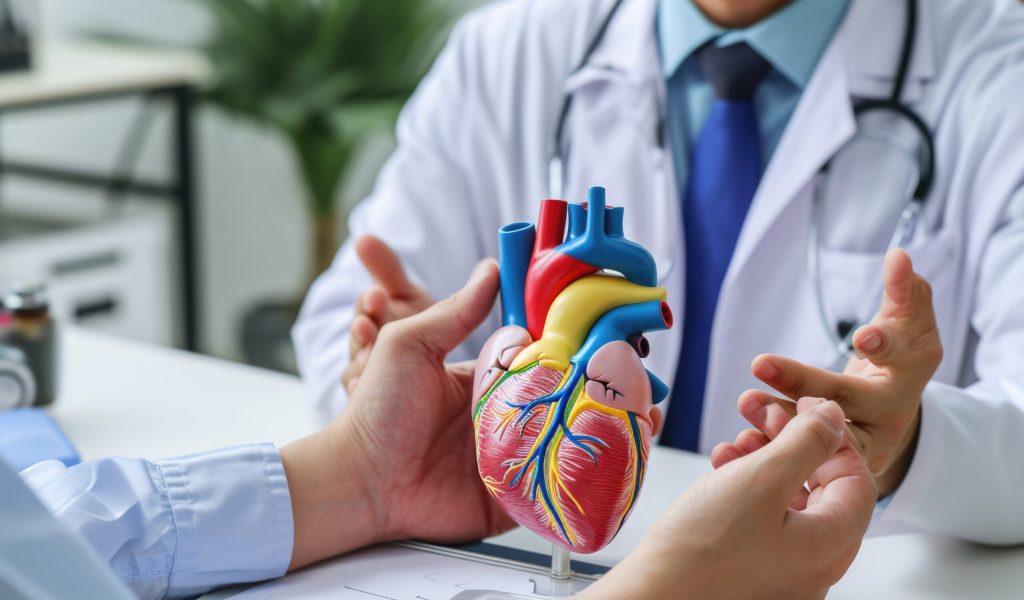
Best Cardiologist in RR Nagar
Rajarajeshwari Nagar — better known simply as RR Nagar — is one of South Bengaluru’s most established residential hubs, connecting seamlessly to Kanakapura Road, Mysore Road, and the Outer Ring Road. With a dense mix of apartment complexes, independent houses, and a fast-growing population of working professionals, RR Nagar residents increasingly have the same question: who is the best cardiologist in RR Nagar to trust with something as important as heart health?
This article is a practical resource — not a sales pitch — covering the warning signs of heart trouble, the diagnostic and treatment services worth expecting from a qualified provider, and how to choose a heart specialist in RR Nagar who can genuinely support you over the long run.
The Case for Local Cardiac Care in RR Nagar
RR Nagar’s location makes it well-connected to several parts of Bengaluru, but that connectivity cuts both ways — traffic along Mysore Road and the Outer Ring Road can turn a “quick trip across town” into an hour-long ordeal, especially during peak hours. For anyone managing a cardiac condition, or simply trying to stay ahead of risk factors, that’s exactly the kind of delay you don’t want between you and expert care.
At the same time, lifestyle-driven heart risk continues to climb across Bengaluru generally. Long commutes, desk jobs, high-stress work environments, and rising rates of diabetes and hypertension are pushing more people toward cardiac evaluation earlier in life than previous generations typically needed. A dependable heart specialist in RR Nagar, reachable without a long commute, means quicker diagnosis, faster treatment when something is wrong, and simpler ongoing follow-up.
How to Recognize a Genuinely Good Cardiologist
Not every clinic offering “cardiac consultation” delivers the same depth of care. Before choosing, look for these markers of quality:
| What to Check | Why It Matters |
|---|---|
| Years of interventional experience | Complex cases require hands-on procedural skill, not just theoretical knowledge |
| Range of diagnostic equipment | A clinic limited to basic ECGs can miss subtler issues that imaging would catch |
| Communication style | You should leave understanding your condition, not just holding a prescription |
| Follow-up structure | Heart care is ongoing — a good clinic tracks your progress over months and years |
| Procedural breadth | The ability to handle both routine evaluation and complex interventions avoids unnecessary referrals |
Dr. Gnanadev N C, an Interventional Cardiologist with over 23 years of experience, treats patients from RR Nagar and the wider South Bengaluru area through clinics located along Kanakapura Road and at Electronic City. Details of his training and clinical focus are available on the About page.
Recognizing the Signs Your Heart Needs Attention
Cardiac symptoms are often subtle at first, which is exactly why they get ignored until they escalate.
Symptoms That Warrant a Prompt Consultation
- Chest discomfort — pain, tightness, or pressure, even if it’s mild or comes and goes
- Breathlessness with activity that didn’t previously cause it, or while lying flat
- A racing, fluttering, or irregular heartbeat
- Sudden dizziness or fainting
- Swelling around the ankles, feet, or lower legs
- Fatigue that persists despite adequate rest
Underlying Risk Factors Worth Screening For
Independent of symptoms, the following conditions meaningfully raise your risk of heart disease and justify a cardiac evaluation as a preventive measure:
- Diabetes or borderline elevated blood sugar
- High blood pressure
- Elevated cholesterol
- Family history of heart disease
- Tobacco use, current or past
- Limited physical activity or higher body weight
If two or more of these apply to you, a proactive check-up is a far better option than waiting for a symptom to appear.
Diagnostics: What a Well-Equipped Clinic Should Offer
A capable heart specialist in RR Nagar should provide a genuinely comprehensive diagnostic toolkit rather than relying on a single test to make decisions.
Standard Non-Invasive Testing
- Electrocardiogram (ECG/EKG): A quick, painless test of the heart’s electrical rhythm.
- Echocardiography (ECHO): Ultrasound imaging showing the structure and function of heart chambers and valves.
- Treadmill Test (TMT): Reveals how the heart handles physical exertion.
- Dobutamine Stress ECHO: A medication-driven stress test for patients who cannot exercise.
- Strain Imaging: A more sensitive echocardiographic technique that can pick up early muscle dysfunction invisible to standard scans.
These make up the core of a cardiac evaluation and are usually where a first visit begins.
Imaging for Complex Cases
When findings are unclear or point toward blockages, further imaging may be recommended:
- Coronary angiogram, to directly visualize the arteries supplying the heart
- Peripheral angiogram, for suspected circulation issues in the arms or legs
- IVUS/OCT-guided imaging, used to plan angioplasty with precision
Treatment: From Medication to Advanced Procedures
The right treatment always depends on the specific diagnosis, its severity, and the patient’s broader health picture.
When Medication and Lifestyle Changes Are Enough
A large share of cardiac conditions — particularly when caught early — are managed effectively without surgery, through a combination of medication and structured lifestyle change:
- Chest pain and angina
- High blood pressure
- High cholesterol
- Cardio-diabetes
- Arrhythmia or irregular heartbeat
- Heart failure
A structured diet and lifestyle management plan often supports these treatments, targeting the root causes behind the diagnosis rather than symptoms alone.
When a Procedure Becomes Necessary
More significant blockages or structural issues may call for minimally invasive interventional treatment:
- Coronary angioplasty (primary and elective PCI)
- Complex coronary angioplasty
- IVUS/OCT guided coronary angioplasty
- Pacemaker implantation
- Cardiac resynchronization therapy
- Transcatheter valve replacement interventions
- Device closures for ASD/VSD/PDA
Vascular Conditions Beyond the Heart
Cardiologists with a broader interventional focus also manage peripheral vascular conditions, including:
This range of services — evaluation, medical management, and advanced procedures under one roof — is exactly what to look for in the best cardiologist in RR Nagar, since it removes the need for referrals to multiple specialists across the city.
Your First Appointment, Step by Step
Step 1: History and Symptom Review
Expect detailed questions about your symptoms, medical history, family background, current medications, and daily habits. Even details that seem unrelated can matter clinically.
Step 2: Diagnostic Testing
Depending on what your history suggests, your cardiologist may order an ECG, ECHO, TMT, or a combination of tests to build a clear clinical picture.
Step 3: Diagnosis and Treatment Discussion
A trustworthy heart specialist in RR Nagar will walk you through your results without unnecessary jargon and explain the reasoning behind whatever treatment they recommend — whether that’s medication, lifestyle change, or a procedure.
Step 4: Long-Term Follow-Up
Cardiac care is rarely finished after one visit. Expect periodic re-testing, medication reviews, and check-ins to track your progress over time.
Everyday Habits That Protect Your Heart
Between clinic visits, day-to-day choices carry substantial weight:
- Keep moving. Thirty minutes of moderate activity most days — even a brisk walk — measurably lowers cardiac risk.
- Rethink your plate. Cut back on processed food, excess salt, and saturated fat; add more vegetables, whole grains, and healthy fats.
- Take stress seriously. Chronic stress is directly tied to high blood pressure and arrhythmia risk.
- Track your numbers. Blood pressure, blood sugar, and cholesterol should be checked regularly, especially with a family history of heart disease.
- Never self-adjust medication. Stopping or altering a prescribed cardiac medication without medical advice is a common, preventable cause of complications.
A personalized diet and lifestyle management plan can help translate these general principles into specific, actionable guidance based on your own test results.
Booking a Consultation
Delaying a heart check-up rarely works out in your favor. To consult the best cardiologist in RR Nagar, get in touch through the Contact page, or call the clinic directly to arrange a time that suits you. Acting on a concern early is almost always simpler than managing it once it has progressed.
Frequently Asked Questions
1. When should someone in RR Nagar consult a cardiologist?
You should see a cardiologist if you have chest pain, breathlessness, palpitations, dizziness, or known risk factors like diabetes, high blood pressure, or a family history of heart disease. An annual evaluation is also reasonable for higher-risk individuals, even without symptoms.
2. What are the standard tests for diagnosing heart conditions?
Typical tests include an ECG, Echocardiogram, Treadmill Test (TMT), Holter monitoring, angiography, and targeted blood work, chosen based on your specific presentation.
3. Can heart disease actually be prevented?
In many cases, yes — regular exercise, a balanced diet, avoiding tobacco, stress management, and controlling diabetes, blood pressure, and cholesterol through routine check-ups can substantially lower risk.
4. Is it necessary to travel to central Bengaluru for advanced cardiac procedures from RR Nagar?
Not necessarily. Advanced procedures such as angioplasty, pacemaker implantation, and valve interventions are available at clinics along Kanakapura Road and Electronic City, which are reasonably accessible from RR Nagar without requiring travel across the city.
5. How do cardiologists decide between medication and a procedure?
The decision depends on the severity and location of any blockage, along with the patient’s overall health and symptoms. A qualified interventional cardiologist will explain whether lifestyle changes, medication, or an intervention best fits your situation.
6. How often should someone with risk factors, but no symptoms, get checked?
If you have diabetes, high blood pressure, high cholesterol, or a family history of heart disease, an annual cardiac evaluation is generally advisable even in the absence of symptoms.
Final Thoughts
For RR Nagar residents, quality cardiac care shouldn’t require a long drive across the city or waiting until a problem becomes an emergency. Whether you’re managing an existing condition, noticing early warning signs, or simply trying to stay ahead of known risk factors, an experienced heart specialist in RR Nagar can offer thorough diagnostics, advanced treatment options, and consistent, personalized follow-up — all reasonably close to home.